 Arabic
 Persian
 English

In the early 2000s, the geopolitical landscape of the Middle East was marked by escalating tensions, particularly surrounding Iran’s nuclear program. By 2005, the United States and the Zionist regime had devised multifaceted strategies to destabilize Iran—strategies infused with a mix of ideological motivations, strategic interests, and fears of a nuclear-armed Iran. This article critically examines the political discourse, covert operations, military planning, support for opposition groups, and international pressure campaigns against Iran pursued by the US in alignment- The translation must stay faithful to the original, not adding or omitting content.
with Zionist interests and objectives. These strategies, though aggressive, faced opposition from military experts and carried heavy risks, revealing the complexities and contradictions in US foreign policy and its ties to Israeli interests.
The US and Israeli strategies for destabilizing Iran were built on a broader approach shaped by neoconservative and Zionist ideologies. This approach, rooted in strategic- It needs to be natural in English, suitable for a web blog, with headings preserved.
documents like Clean Break and guided by key figures in the US and Israel, sought to reshape the Middle East while weakening Iran’s influence. Zionist programs against Iran combined ambitious goals such as regime change and expanding Israel’s regional dominance, indicating a coordinated agenda between the US and Israel aimed at confronting and countering Iran.
Ideological Foundations: Neoconservatism and Broader Zionist Objectives
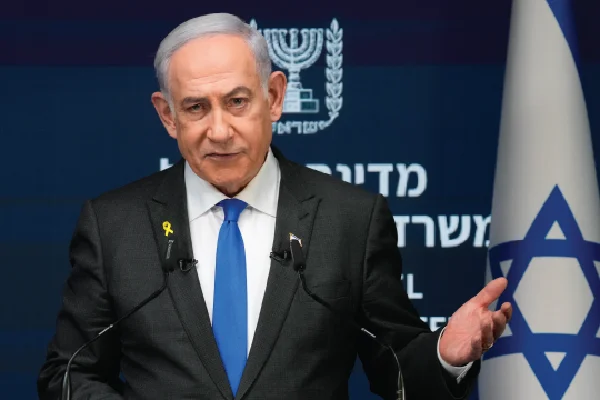
The overarching approach to confronting Iran was heavily influenced by neoconservative ideology in the US and Zionist strategic thinking in Israel, both of which advocated for preemptive redesign and change in the Middle East. The Clean Break document, drafted in 1996 by figures such as Richard Perle and David Wurmser for then-Israeli Prime Minister Benjamin Netanyahu, explicitly called for weakening Iran and its allies like Syria and Hezbollah to ensure Israel’s superiority.
Jonathan Cook, in his book “Israel and the Clash of Civilizations,” argues that this document laid the foundation for Israel’s efforts to neutralize Iran’s regional influence, as Zionists viewed the country as the primary threat to their security. In the US, neoconservatives like Douglas Feith integrated these ideas into the Bush administration’s policies, portraying Iran as an existential threat requiring regime change. This ideological convergence led to preemptive military action being prioritized under the Bush administration.

Strategic Coordination and the Role of Key Players
US-Israeli collaboration involved a high degree of strategic coordination, particularly among neoconservatives in the Pentagon who worked closely with Israeli planners. In this regard, Scott Ritter in his book “Target Iran” describes how the Office of Special Plans, led by Douglas Feith in the Pentagon, managed the exchange of information with Israel to identify targets in Iran—a process aligned with the Clean Break document and its emphasis on joint military planning. Similarly, Stephen Walt and John Mearsheimer in “The Israel Lobby and US Foreign Policy” explain how the American Israel Public Affairs Committee (AIPAC) and neoconservative think tanks like the Project for the New American Century (PNAC) lobbied for aggressive policies against Iran, policies that served Israeli interests. This coordination, while beneficial from Israel’s perspective, often prioritized Israeli interests over those of the US.
Media Engineering, Information Manipulation, and Crafting a Favorable Narrative
A key pillar of the broader Zionist approach was manipulating information to justify confrontation with Iran. According to thinkers and experts like Scott Ritter, incomplete and fabricated intelligence—similar to the Iraq war dossier—was used in 2005 to exaggerate Iran’s nuclear threat, despite the lack of reliable evidence of a secret nuclear weapons program.
Gareth Porter in his book “Manufactured Crisis” confirms this, detailing how the Bush administration and Israel selectively used intelligence to portray Iran as an immediate threat—an approach consistent with Clean Break’s recommendations for shaping public opinion. This coordinated narrative management aimed to garner domestic and international support.
In reality, the US amplified Iran’s nuclear threat to construct a narrative justifying its aggressive policies. This discourse gradually expanded beyond Iran’s nuclear program, framing it as a sponsor of terrorism to facilitate diplomatic isolation. In this context, the Bush administration made claims about Iran’s nuclear capabilities that often lacked solid evidence, with the goal of building support for international sanctions and even military action.
Indeed, the US leveraged media power to fuel and spread Iranophobia—a process akin to using incomplete intelligence to justify the invasion of Iraq. By painting a menacing global image of Iran, the US sought to legitimize its actions, though this approach failed to account for Iran’s actual technical realities and capabilities.


Covert Operations and Intelligence Gathering from Iran
Covert intelligence operations were a core element of the US and Israeli strategy to undermine Iran. The two actors utilized advanced intelligence technologies, such as satellite imagery and communications interception, to identify Iran’s nuclear and military sites. In this vein, the US deployed special operations teams, often under civilian cover, into Iran to gather precise details and establish contacts with ethnic groups and opposition factions against the Islamic Republic.
Israel, relying on its regional networks, established intelligence cells in Iraqi Kurdistan and Azerbaijan to monitor Iran’s movements—a topic that has not escaped the scrutiny of analysts in the field. These actions, despite their tactical sophistication, raised serious questions about violations of Iran’s national sovereignty and the potential for escalating conflicts, even within the US intelligence community, as such operations could provoke Iranian retaliation.
Cyber Operations Against Iran: A Tool for Destabilization
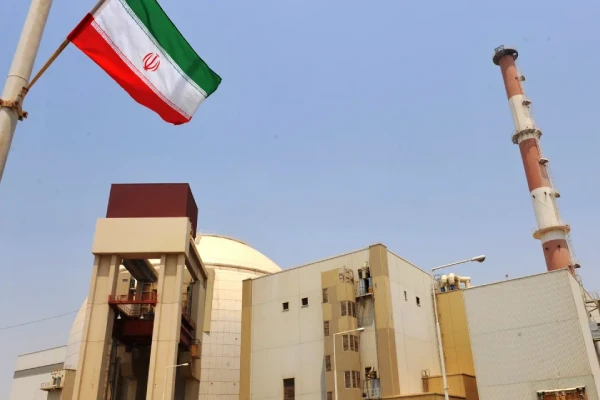
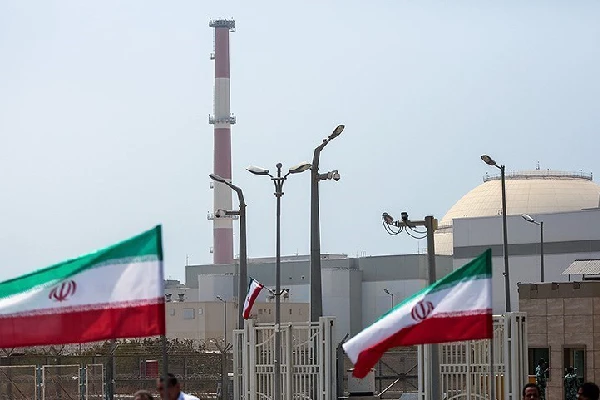
The United States and Israel were pioneers in employing cyber warfare tactics to undermine Iran’s nuclear program, with the most notable example being the Stuxnet virus that targeted the Natanz nuclear facility. Although the full deployment of Stuxnet is typically dated to 2010, its design began in the mid-2000s under the Bush administration’s covert programs.
David Sanger in his book “Confront and Conceal” describes how the US and Israel jointly developed this sophisticated cyber weapon to disrupt Iran’s uranium enrichment process, noting that initial tests occurred around 2005. This operation aimed to delay Iran’s nuclear progress without resorting to direct military confrontation, but it ultimately highlighted Iran’s vulnerabilities to cyberattacks, leading the country to strengthen its defenses in that area.
Planning Military Strikes on Iran and Internal Opposition
Military planning for potential attacks on Iran intensified during this period, but Zionists and neocons faced challenges. For instance, Douglas Feith, a neoconservative figure in the Pentagon, collaborated with Israeli military officials to identify sensitive targets for airstrikes, while US Central Command (CENTCOM) was tasked with revising war plans, even incorporating ground operations.
However, these plans met resistance from American generals, who warned that airstrikes alone could not destroy Iran’s nuclear program and would likely lead to disastrous political, economic, and military consequences, including increased casualties in Iraq. General Wesley Clark also pointed out that the lack of accurate and reliable intelligence on Iran’s nuclear sites made pinpoint strikes in the early stages impossible. This opposition and initial limitations exposed the rift between political objectives and military realities for the Americans and their Zionist allies.
Support for Iranian Opposition Groups
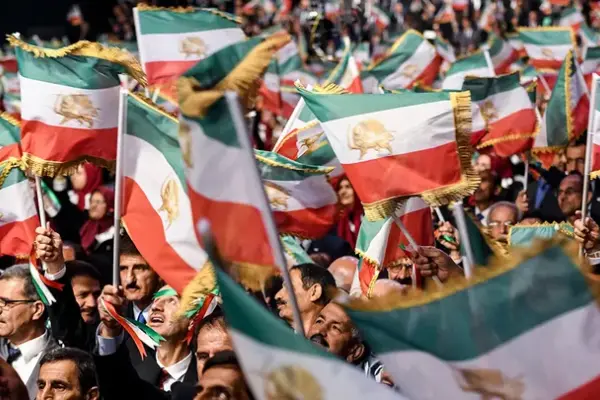
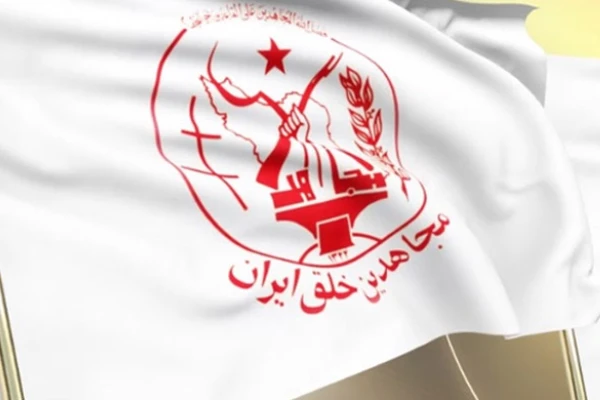
Another pressure tool was US support for groups opposing the Islamic Republic, including the Mujahedin-e Khalq Organization (MEK). Despite listing the MEK as a terrorist group, the US provided logistical and financial support for their operations inside Iran. This was aimed at exploiting internal divisions, but it risked legitimizing a controversial group with limited social base.
Jonathan Cook in “Israel and the Clash of Civilizations” views this support as part of the broader US-Israeli strategy to weaken Iran through proxy war tactics—a strategy that, according to field analysts, ignored even its long-term consequences for regional stability and instead aimed to disrupt it. Reliance on groups like the MEK highlights the ethical ambiguities in US policy, aligning with forces whose actions contradict America’s professed moral principles.
Building International Pressure: Ideological Warfare and Economic-Diplomatic Isolation of Iran
In this arena, the US leveraged international institutions, including the International Atomic Energy Agency (IAEA) and the UN Security Council, to pressure Iran. By portraying Iran as a violator of the Nuclear Non-Proliferation Treaty (NPT), Americans sought to pave the way for sanctions through the Security Council. Simultaneously, the Bush administration framed its actions as part of an ideological battle against what it called the “Axis of Evil” (including Iran, Iraq, and North Korea), presenting regime change as the ultimate solution to Iran’s policies.
Specifically, the joint neoconservative-Zionist strategy emphasized Iran’s economic and diplomatic isolation to weaken the Islamic Republic and its position. Kenneth Katzman in his book “Iran: Concerns and Responses in US Policymaking” states that US actions in 2005, using the IAEA to refer Iran’s file to the UN Security Council, pursued other long-term goals. This aligned with Clean Break’s recommendations for multilateral pressure. On the other hand, the focus on isolation, despite its strategic appeal to Americans, overlooked Iran’s resilience and its ability to forge ties with powers like Russia and China.
Repeating Intelligence Mistakes Regarding Iran
The strategies employed by the US and Israel in 2005 exemplified a pattern of aggressive stances coupled with operational limitations. Reliance on exaggerated discourses, covert operations, and support for opposition groups reflected a neoconservative approach that underestimated Iran’s resistance and overestimated the efficacy of military solutions. Analysts and experts like Scott Ritter raised warnings about repeating the intelligence mistakes from the Iraq invasion in relation to Iran, rightly anticipating the catastrophic consequences of such errors.
These actions were part of the broader US-Israeli vision for reconstructing a new Middle East order in their favor—a plan that sacrificed regional stability for their geopolitical objectives. As figures like General Wesley Clark and Seymour Hersh have noted in their works, internal opposition within the US military at the time aptly highlighted the risks of military adventurism in a region already destabilized by the Iraq invasion.
Proxy Wars and Middle East Instability
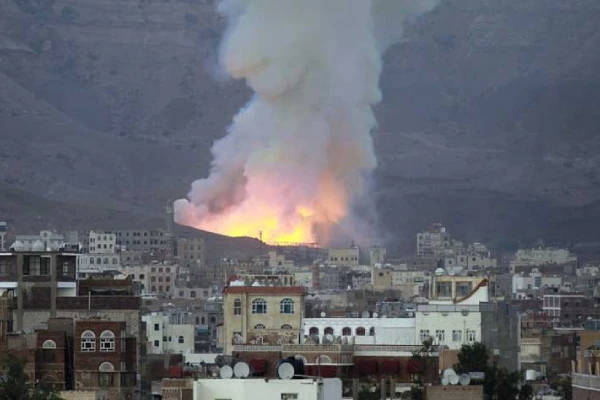
The United States and the Zionist regime, in a broader approach, utilized proxy groups to counter Iran’s regional influence, particularly in response to Iran’s support for Hezbollah and other forces in the Axis of Resistance. Trita Parsi in his book “Treacherous Alliance” admits that Israel’s 33-day war against Lebanon in 2006—part of which was planned in 2005—was aimed at weakening Hezbollah as Iran’s key ally, thereby indirectly striking Tehran and countering its regional influence.
He acknowledges that Israel’s actions against Hezbollah were intended to sever Iran’s regional links, though in practice, they strengthened Hezbollah’s domestic position. The US implicitly supported this war, viewing it as a way to disrupt Iran’s “land bridge” to the Mediterranean. However, the war not only failed to weaken Hezbollah but bolstered its role in Lebanese politics, demonstrating that proxy wars, instead of containing Iran, fueled the growth and strengthening of the Axis of Resistance.
Of course, the broader Zionist approach was not limited to Iran alone; it also pursued restructuring the Middle East to reduce Iran’s influence through proxy wars and destabilizing regional regimes. Wesley Clark believes the US invasion of Iraq in 2003 was part of an effort to create a domino effect, installing a pro-US government in Baghdad to weaken Iran. Cook also recalls that Israel viewed Iran’s support for Hezbollah and Syria as a threatening “Shiite Crescent” and sought to disrupt this network through wars like the 2006 Lebanon conflict, planned starting in 2005. These proxy conflicts, while tactical, escalated regional tensions and harmed stability.

US and Israeli strategies for destabilizing Iran in 2005 combined ideological ambitions with cautious considerations. The points raised by Hersh, Ritter, Clark, and Cook reveal key insights into US foreign policy, where political idealism clashed with strategic realities, and neocons’ pursuit of Zionist goals even trampled on America’s own domestic and international interests and regional stability in West Asia.
The broader neoconservative and Zionist approach to confronting Iran, officially beginning in 2005, was based on documents like Clean Break and executed through coordinated US-Israeli strategies, aiming ambitiously to rearrange the Middle East by weakening Iran’s influence. Using tools such as information manipulation, proxy wars, and diplomatic isolation, this approach reflected the Zionist regime’s ambition for regional dominance. But as Ritter, Hersh, Cook, Clark, and others have stated, it underestimated Iran’s resilience.
Lebanon, the first challenge to Zionism
Resources



No comment