 Arabic
 Persian
 English


Zionist Terrorist Operations in Palestine After 1947: Focusing on Ethnic Cleansing Actions
Examining the period after 1947 regarding the establishment of Israel and the expulsion of Palestinians through force is critical. Various Israeli paramilitary groups, including Haganah, Irgun, and Palmach, played significant roles in what many historians describe as the “ethnic cleansing of Palestine.” This section explores the operations and crimes that took place in Palestine after 1947, evaluating the methods and approaches used by these groups in their efforts to control territory.
Historical Context
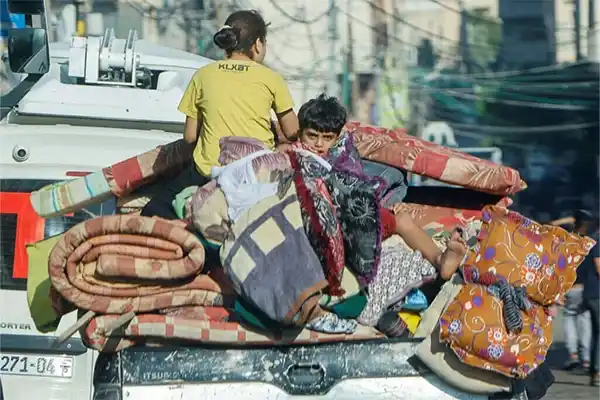
In the late 1940s, Palestine became a complex battlefield where tensions between Jewish settlers supported by Zionist movement leaders and the indigenous Palestinian population escalated. Key events, such as Britain’s decision to withdraw from Palestine and the UN’s 1947 Partition Plan, set the stage for violent conflict and Zionist crimes, culminating in the 1948 Arab-Israeli War. The UN’s “Partition Resolution” on November 29, 1947, aimed to create separate Jewish and Arab states. However, Arab leadership rejected the plan, insisting on a unified Palestine. Subsequently, armed clashes between the two sides began, leading to the Zionist regime’s systematic expulsion of Palestinians from their homes.
Initial Stages of Ethnic Cleansing
Following the adoption of the Partition Resolution, conflicts rapidly escalated. In early December 1947, a series of attacks by armed Jewish groups targeted Palestinian villages and neighborhoods. Reports indicate that these initial attacks were in retaliation for Palestinian protests against UN actions and were so severe that they displaced approximately 75,000 Palestinians. The groundwork for the ethnic cleansing of indigenous Palestinians was meticulously planned by Zionists. Their primary military strategy, known as “Plan Dalet,” was approved in March 1948, outlining how to control areas and evacuate Palestinian Arab residents. Under this plan, the Zionist military approach shifted from comprehensive ethnic cleansing of all areas to targeted attacks and the seizure of urban centers and strategic points.
Prior Intelligence Assessments and Regional Evaluations
The onset of brutal Zionist attacks was not merely a reaction to Palestinian protests. Before the attacks began, Israeli paramilitary groups gathered intelligence to assess Palestinian villages and urban areas. Zionist intelligence personnel, including members of Jewish paramilitary groups, conducted detailed reconnaissance to map the socio-political environment and demographics of indigenous Palestinians. They compiled comprehensive data documenting topography, local resources, and levels of resistance among Arabs in various regions.
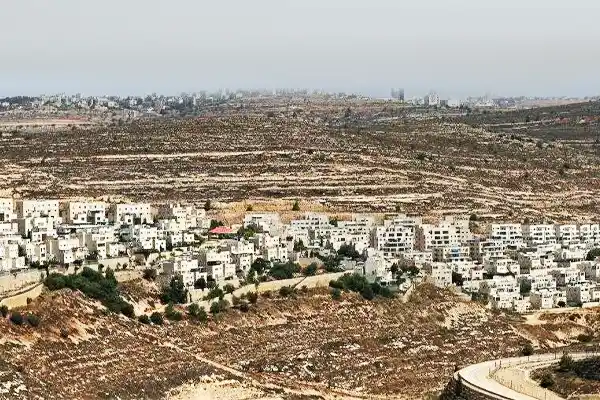
For example, Palti Sela, an intelligence officer, observed that Jewish settlements were fortified, while Palestinian villages largely remained unchanged, indicating a clear disparity in readiness for impending conflicts. His reports noted the normalcy of life among Palestinians, leading Zionists to conclude that they were unprepared to face the looming threat—a threat that reflected the calculated and premeditated nature of the imminent Zionist assault. In fact, the contrast between fortified Zionist settlements and Palestinian villages and cities clearly demonstrated the Zionists’ prior preparation for these brutal attacks and ethnic cleansing.
Methods Used
Ethnic cleansing operations involved a combination of coordinated military actions and targeted terrorist activities. Zionist forces systematically occupied Palestinian villages and neighborhoods one by one, often destroying homes and forcibly expelling residents. Mass expulsions of Palestinians were carried out through rapid military assaults, frequently accompanied by violent reprisals from Zionist settlers. For instance, brutal massacres occurred in places like Deir Yassin, where many defenseless Palestinians were killed, and survivors were forced to flee.
Reports from that era reveal a preplanned strategy aimed at creating an exclusively Jewish population and massacring the remaining residents. For example, terrorist groups like Haganah, Palmach, and Irgun conducted operations targeting civilian areas rather than military positions, resulting in widespread destruction and slaughter. As these forces advanced, many cities and villages were completely erased from the map, demonstrating that these terrorist operations, aimed at destabilizing settlements and literally “displacing” indigenous Palestinians, were successfully executed.
Terrorist Groups Active in the Ethnic Cleansing of Palestinians During That Period
The Irgun, officially known as the “National Military Organization,” was established in 1931 and emerged as one of the most significant Zionist paramilitary and terrorist groups during Israel’s early attacks to establish the state. Its operations intensified in the late 1930s, particularly in response to British policies and local Arab resistance. A turning point for Irgun was in 1946 when they bombed the King David Hotel in Jerusalem, the administrative headquarters of the British in Palestine, killing 91 people, including British personnel and Arabs. The tactics used by Irgun, which often relied on excessive violence to exert pressure for political change, have been widely criticized. Critics have condemned their actions as indiscriminate violence that endangered many civilian lives.
The Lehi, also known as the Stern Gang, was another paramilitary group that split from Irgun and aimed to take immediate action against British authorities in Palestine after World War II. Founded in 1940 by Avraham Stern, Lehi adopted a more radical and ideological approach, frequently carrying out overt violent actions against various targets, including British military personnel. One of their most infamous operations was the assassination of Lord Moyne, Britain’s Minister of State for the Middle East, in 1944. This assassination was part of a broader campaign to undermine British authority in Palestine, which included attacks on British soldiers and facilities. As tensions escalated in the period leading up to Israel’s establishment, Lehi temporarily allied with Irgun to orchestrate coordinated attacks against the British, peaking in 1948 amid intense Palestinian resistance and broader regional conflicts, culminating in the formation of a new Jewish state. Both Irgun and Lehi played significant roles not only in shaping the military tactics used by the Yishuv (Zionist settlers) but also in influencing the international community’s perception of the political realities in Palestine post-war. They used force and terror to convey their demands, even to the British and international forces.
Palmach, another key paramilitary group in the Zionist movement, played a critical role in the events leading to the Palestinian “Nakba” and the 1948 events, which resulted in the widespread ethnic cleansing of local Arabs. Initially formed to assist the British during World War II, Palmach shifted its focus to Palestinians after the war, engaging in systematic violence against them. During the critical period following the UN Partition Plan in late 1947, Palmach units conducted numerous military operations aimed at displacing Palestinian communities. Historical reports detail how they brutally attacked villages and residential areas, killed residents, and instilled fear through their violent tactics, ultimately facilitating the territorial expansion of the newly formed Israeli state. Palmach’s actions included not only direct and overt confrontations with locals but also covert operations in rural areas, leading to the uprooting and displacement of thousands of Palestinians and the destruction of their villages, permanently altering the region’s demographic landscape.
Palmach’s terrorist operations exemplify the broader Zionist leadership strategy of ethnically cleansing Palestine’s residents. Their actions often included brutal attacks, such as the Deir Yassin massacre, where over 100 Palestinians were killed, creating terror that led to the flight of most residents from surrounding areas. Many Palestinians fled their homes before attacks, fearing for their lives, as these Israeli forces instilled terror to ensure they achieved their expansionist goals. The tactics employed by Palmach were not unrelated to Israel’s broader military strategy at the time, as they were not merely about seizing land but also about eradicating the indigenous Palestinian population. The legacy of their brutal actions is deeply etched in Palestinian memory, serving as a reminder of the loss and displacement brought by the establishment of Israel.
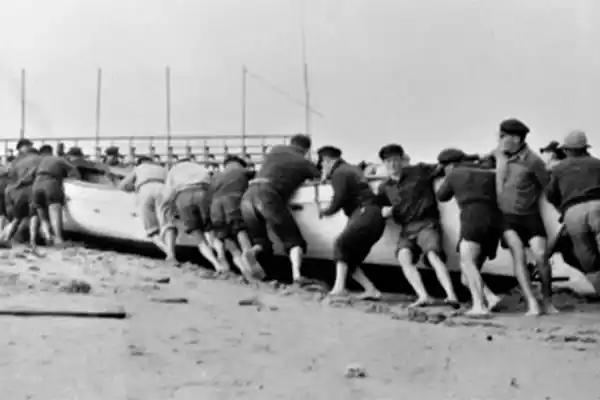
Haganah, one of the early paramilitary organizations of Jewish communities in Palestine during the British Mandate, conducted numerous operations against the indigenous Palestinian population, particularly after the UN Partition Plan in 1947. These operations were characterized by significant violence aimed at intimidating and forcibly expelling Palestinians from their homes. Reports indicate that Haganah’s escalation of tensions led to a series of organized military actions, including psychological warfare to instill fear among Palestinian communities. Haganah’s operations were not limited to military actions. They also involved systematic approaches, such as the destruction of Palestinian villages, expulsion orders, and violent terrorist attacks aimed at facilitating Jewish settlement and control over occupied territories. Historical analyses highlight cases like the siege of Arab neighborhoods in Haifa, where Zionist forces used artillery and other tools to shell Arab areas, causing panic and mass migration among Palestinian residents. Their tactics combined direct assaults with deceptive methods, during which Haganah forces disguised themselves as Palestinians to carry out covert violent terrorist operations, increasing distrust, instability, and fear within Arab communities.
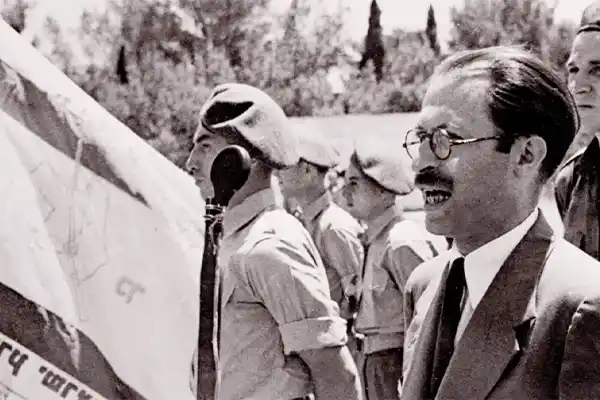
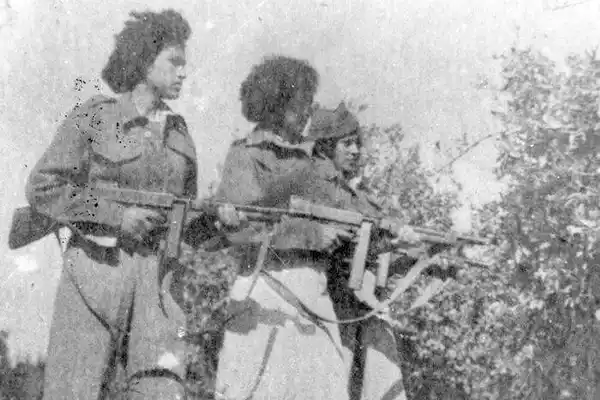
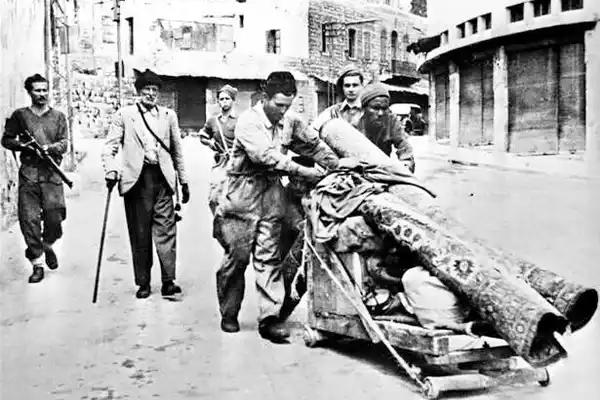
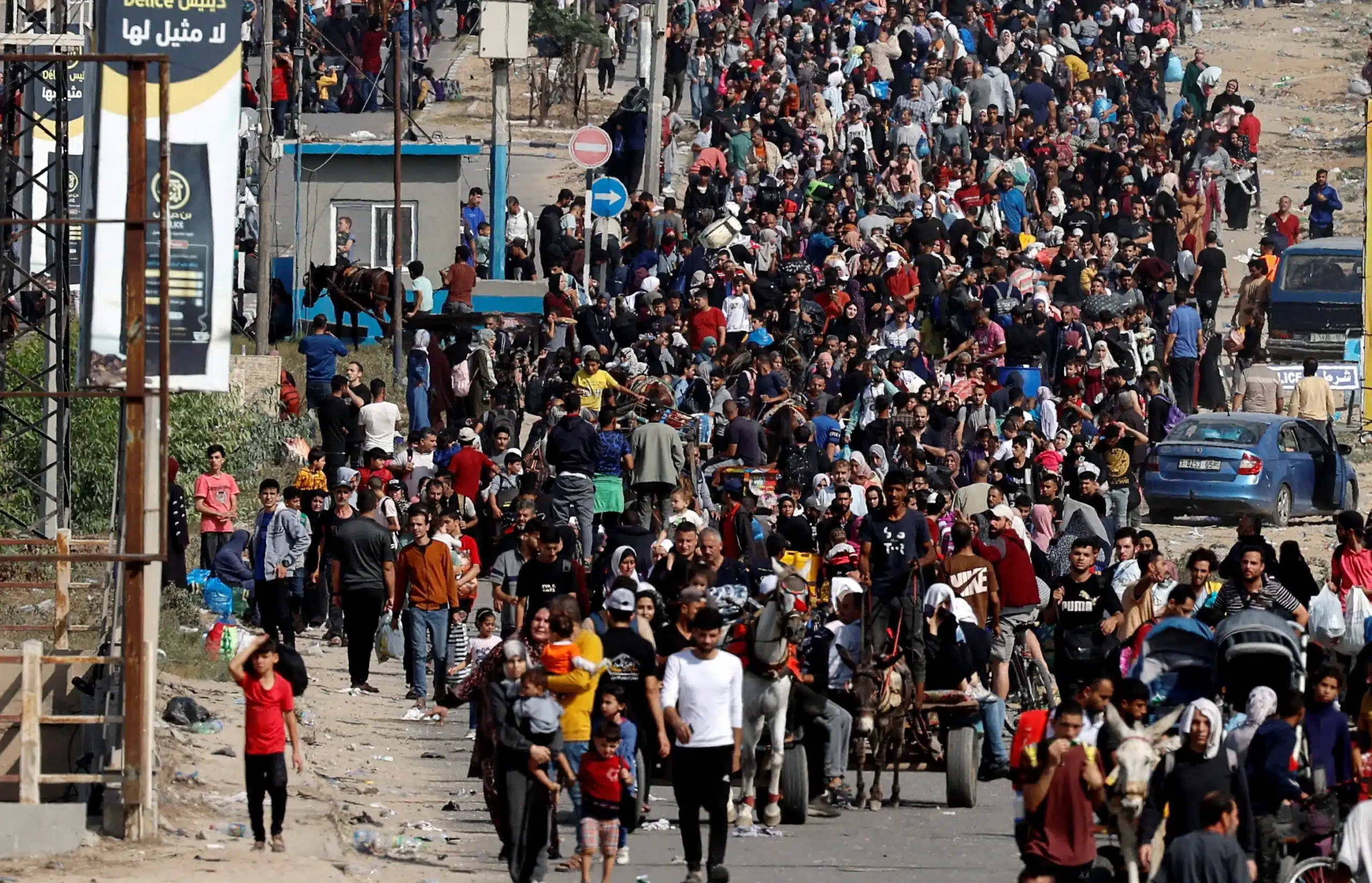
In total, the actions of Israeli paramilitary groups from 1947 onward in the first wave resulted in the displacement of over 700,000 Palestinians, fundamentally altering the region’s demographic and political landscape. This phase of ethnic cleansing remains a contentious and unresolved issue, significantly relevant to the Israel-Palestine conflict today. Some historians, such as Ilan Pappe, through extensive research, have accurately portrayed the “Nakba” and the 1948 events as ethnic cleansing of Palestinians by the Zionist regime, correcting the misrepresentation by some Zionist sources and historians as a “war of independence.” Such documented and precise examinations of historical events in Palestine contribute to a correct understanding of current events. They reveal that the oppression and brutality of Zionists have deep roots, with their absolute approach against the indigenous Palestinian population from the outset. These operations laid the foundation for what is described as the ethnic cleansing during the 1948 Nakba. As Haganah transitioned into the official Israeli army, their agenda shifted to the strategic elimination of Palestinians, who were seen as obstacles to establishing a Jewish state. Historical records indicate that, under overarching military plans like “Plan Dalet,” Haganah was authorized to destroy resisting villages, effectively uprooting and displacing all Palestinians in targeted areas.
Collected data on ethnic cleansing in Palestinian villages reveals meticulous planning, with Zionist groups thoroughly preparing by assessing the local population, political affiliations, and potential resistance. The impact of these operations was profound, displacing nearly 800,000 Palestinians by mid-1948, leading to a humanitarian crisis with lasting consequences for Palestinian identity and the region’s socio-political landscape. The crimes committed by these groups during this period are widely regarded by historians and human rights advocates as clear examples of ethnic cleansing, consistently a subject of historical debate and responsibility in the context of Israel-Palestine relations.
Remaining Points
Ethnic Cleansing During the 1948 Conflict
In Ilan Pappe’s works, it is documented that Zionist military commanders and paramilitary groups, including Irgun and the Stern Gang, were collectively responsible for the systematic expulsion of Palestinians during the 1948 conflicts. Pappe provides compelling arguments about how these groups’ military operations led to the cleansing of all Palestinian villages. For instance, regional military commanders of the Zionist regime’s army, such as Moshe Kalman and Moshe Carmel, participated in brutal ethnic cleansing operations in Safed and the Galilee, respectively. Pappe argues that these actions should not only be seen as groundwork for establishing a state and settling Jewish populations but also as official crimes against the indigenous Palestinian population.
Courageous Palestinian Defenders
Another noteworthy point is the courageous resistance of Palestinians, who, despite their ultimate defeat and lack of success in the field, made every effort to defend their villages and homes. It is noted that groups of Palestinian men in areas like Ramish and Deir al-Qasi stood and fought against intense attacks by armed Israeli soldiers. This narrative emphasizes that these courageous and steadfast resistance efforts often faced overwhelming force, amplifying the extent of Zionist crimes, yet they showed no hesitation in committing them.
Inhumane Treatment in Camps
Regarding the treatment of displaced Palestinians in camps, they faced dire conditions and brutal treatment, often harassed by former Irgun and Stern Gang members reassigned as camp guards. In one instance, a former Haganah officer, Yitzhak Shadmi, was convicted of murder in these camps, indicating a broader pattern of violence by these terrorists against Palestinian prisoners.
Ongoing Violence and Discrimination Against Palestinian Citizens
In the book The Forgotten Palestinians, it is noted that Palestinian citizens in Israel have consistently faced discrimination and violence since that period. For example, cases of shooting unarmed Palestinian civilians without any apparent reason have systematically resulted in the acquittal of the offending Zionist, and rarely does anyone hold themselves accountable for the deaths of Palestinian citizens, which are clearly caused by regime police actions.
Tactics of Covert Units
The book Beyond Occupation details how some Israeli military units, known as “Mista’arvim,” dressed as Arab civilians to participate in operations often resulting in Palestinian assassinations. These units operated with significant autonomy and were responsible for numerous unlawful killings, indicating the extent of their criminal activities against the indigenous Palestinian population.
Interference in Palestinian sports



No comment