 Arabic
 Persian
 English


Impact of the Zionist Lobby and U.S. Pressure on the Issuance of UN Resolution 181
The issuance of UN General Assembly Resolution 181 in 1947, which supported the partition of Palestine in favor of the Jewish minority against the Arab majority, was a pivotal moment and a precursor to subsequent events, including conflicts between Israel, Palestine, and Arab states. This resolution was heavily influenced by the coordinated efforts of the Zionist lobby and pressures exerted by the United States. This article examines the complex relationship between the UN resolution’s support for the Zionist regime, the political landscape, the role of the United States, and the ultimate approval of this controversial resolution.
Path to the Approval of Resolution 181
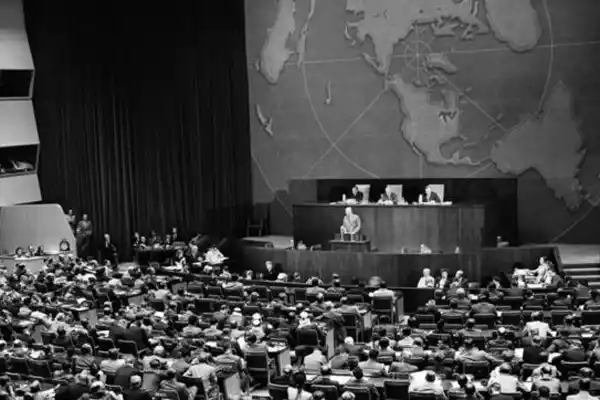
The advancement of UN Resolution 181 was fraught with political maneuvers and lobbying. The Zionist movement had long sought international recognition and support for establishing a Jewish state in Palestine. By the late 1940s, they prioritized the partition plan as a means to formally establish this state. However, the Arab population overwhelmingly rejected this plan, viewing it as an imposition of foreign will on their land. During the debates and negotiations that led to the UN vote and the desired resolution, both sides engaged in intense lobbying. Nevertheless, the Zionist lobby, particularly in the United States, played a significant role in shaping the final outcome.
Zionist Lobby Strategies
The Zionist lobby employed several key strategies to influence U.S. and UN support for the partition of Palestine in favor of Jews, especially in the critical months leading up to the 1947 General Assembly vote on the partition plan. The Zionist lobby in the United States had been building influence since the early 20th century. During the UN negotiations, organizations like the American Zionist Emergency Council (AZEC) mobilized their resources and networks to promote their objectives. A key figure in these efforts was Isaiah Kenen, who understood the domestic political landscape and the need to secure U.S. congressional support. Kenen leveraged his congressional connections to garner U.S. backing for the partition resolution. He recognized that support from both the executive and legislative branches was essential, reflecting the sophisticated and multi-layered approach of Zionist lobbying.
Beyond direct engagement with political leaders, the Zionist lobby’s strategy included mobilizing prominent Jewish businesspeople and intellectuals to influence public opinion and guide political actions. For instance, influential figures in the American Jewish community were instructed to pressure their local representatives to support the partition plan. These grassroots efforts evolved into a broader campaign aimed at securing favorable votes from various countries in the UN. Below are some key areas of Zionist lobbying activities:
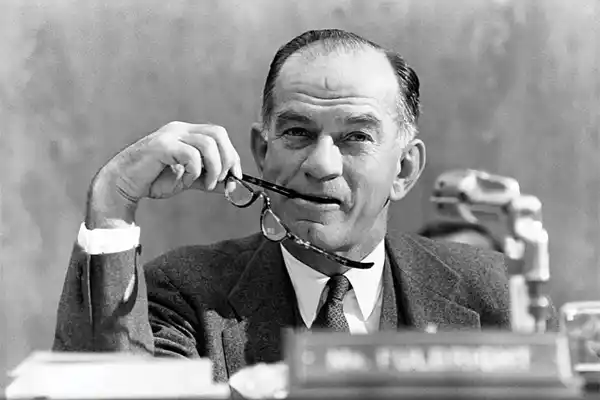
- Engaging Academic and Intellectual Circles: The Zionist lobby in the U.S. sought support from higher education institutions and mobilized Jewish academics. For example, in January 1945, a petition supporting the establishment of Palestine as a “Jewish Commonwealth” was signed by 150 college and university presidents across the U.S. This endorsement from American academia significantly influenced public opinion and political leaders by demonstrating widespread support for Zionist goals.
- International Diplomacy and Engagement with UN Delegates: Zionist leaders actively collaborated with UN delegates and other international diplomats to advocate for the partition plan. Their goal was to secure favorable votes and public support while capitalizing on the geopolitical dynamics of the post-World War II era, when major powers held significant influence in the Middle East.
- Mobilizing Minorities and Public Demonstrations: The Zionist lobby organized public demonstrations and media campaigns to express support for the partition plan and pressure U.S. lawmakers. They used various communication channels to craft narratives emphasizing the urgency and moral imperative of establishing a Jewish state, targeting both political figures and prominent community members.
- Leveraging Financial and Economic Interests: Zionist organizations highlighted the potential economic benefits of supporting a Jewish state, framing their goals in terms of attractive economic opportunities and stability. These messages targeted U.S. policymakers and the general public.
Other Zionist Lobbyists in the Partition Plan
In addition to Isaiah Kenen, Bernard Baruch and Sol Bloom were influential figures in Zionist lobbying during the critical period leading to the UN partition resolution in 1947. Bernard Baruch, a prominent financier and political advisor, was employed to exert influence over media and political circles in the U.S. He organized campaigns to pressure major newspapers like The New York Times to promote pro-Zionist views and condemn nations opposing the partition plan. Meanwhile, Sol Bloom, a staunchly pro-Zionist congressman from New York, played a significant role in garnering congressional support for the plan. Bloom used his position to align legislative proposals with Zionist goals, consistently advocating for their objectives. Together, these figures exemplified the ambitious and multifaceted Zionist lobbying approach to secure high-level political support for the partition resolution and their relentless efforts to gain allies within the U.S. government and influential social circles.
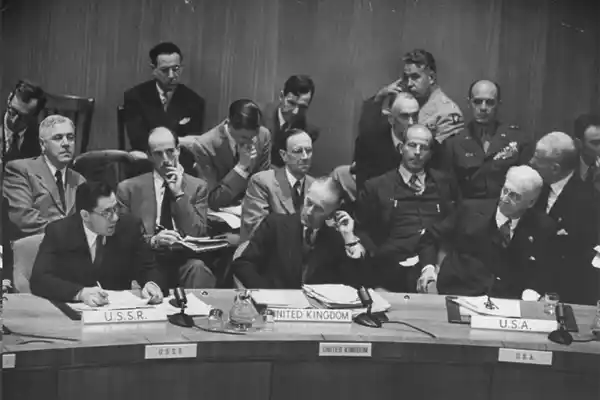
David Niles also played a crucial role in advancing Zionist positions during the 1947 UN partition resolution. As a special assistant to the president on minority affairs, Niles facilitated connections between the Jewish lobby and U.S. policymakers. His efforts were particularly decisive in the days leading up to the November 29, 1947, General Assembly vote, when the Zionist lobby faced unexpected challenges from countries like the Philippines and Haiti, which were expected to support the partition but wavered. Niles’ network enabled him to influence U.S. policymaking, uniting key Jewish community figures in lobbying efforts. Reports indicate that he countered expert opinions and devised strategies to align U.S. government officials in support of Resolution 181. This level of activism highlights how Niles effectively used his position to advocate for Zionist interests at a critical juncture for Israel’s establishment, clearly demonstrating the connection between influential lobbyists and unwavering U.S. decision-maker support during the resolution’s approval.
The 1940s saw the rise of a broad movement encompassing numerous Jewish federations and organizations working to shift public opinion in favor of Zionist goals. These groups organized grassroots campaigns, hosted events, and held discussions prioritizing the establishment of a Jewish state as a moral necessity post-Holocaust. They collaborated with pro-Zionist intellectuals who defended these goals in academic circles, strengthening public discourse in favor of Zionism. The strategic collaboration among influential Zionist lobbyists like Kenen, Baruch, Bloom, and Niles, alongside related social organizations, created a robust network that effectively countered opposition and firmly embedded the idea of partitioning Palestine for Zionist goals within America’s political and social fabric, paving the way for Israel’s
U.S. Political Climate and Opinions at the Time
Shifts in U.S. Political Landscape Regarding the Partition Plan
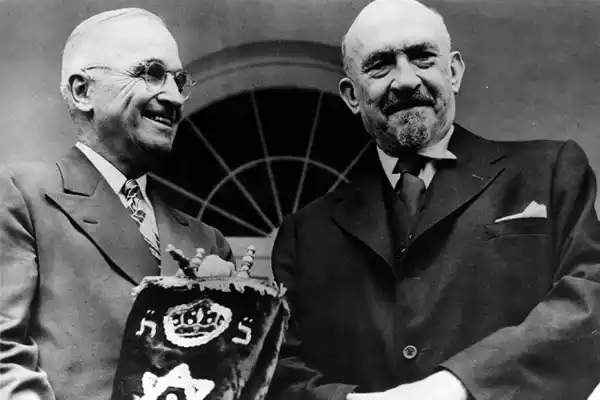
During this critical period, the U.S. political landscape was deeply influenced by evolving international relations and domestic sentiments regarding Jewish suffering during the Holocaust. President Harry Truman was initially hesitant about partitioning Palestine, reflecting divisions within his administration. The U.S. State Department, influenced by cautious advisors, was concerned about the implications of establishing a Jewish state in a predominantly Arab region. However, intensified lobbying efforts led Truman to face significant pressure from both the American Jewish community and political allies, prompting a shift in his stance. Many historians note that the sudden changes in U.S. policy were not only unusual but also heavily shaped by Zionist lobbying, which leveraged connections to align the U.S. with supporting the partition.
UN General Assembly Vote
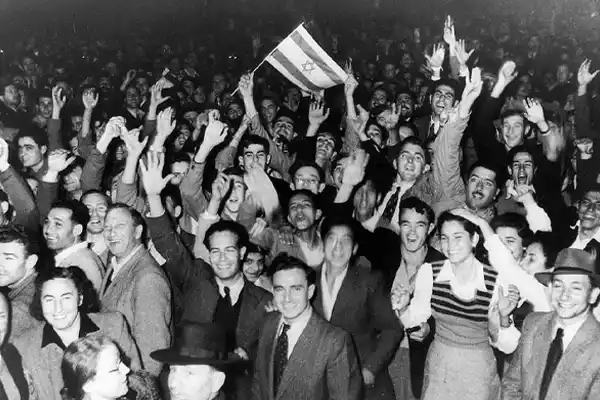
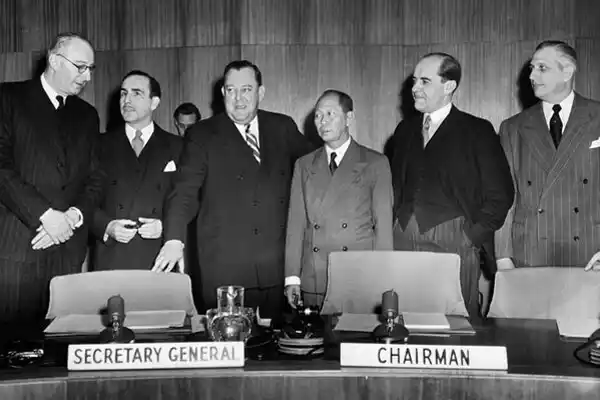
On November 29, 1947, after intense negotiations and lobbying, the UN General Assembly approved Resolution 181. The resolution called for the partition of Palestine into separate Jewish and Arab states, united in an economic union, with Jerusalem under international administration. It was celebrated by Zionists but met with outrage from Arab leaders, who viewed it as a violation of their rights and territorial integrity. Historical records show that last-minute Zionist lobbying played a crucial role in securing votes from undecided nations. The depth of U.S. involvement in the UN vote is evident, as its representatives actively promoted the partition plan and sought favorable votes from other countries, reflecting the extent of U.S. support for this anti-Palestinian resolution under Zionist influence.
Consequences and Lasting Impact
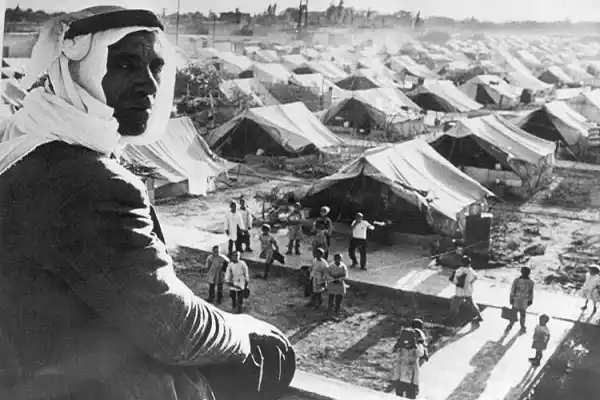
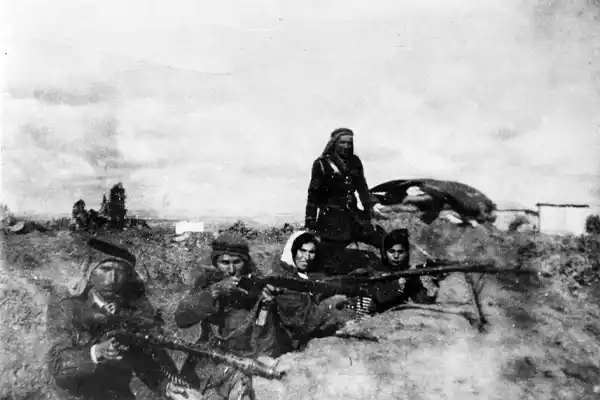
The adoption of Resolution 181 triggered a chain of events leading to the establishment of Israel in 1948 and the subsequent Arab-Israeli war. The resolution is also seen by many Palestinians as the start of the “Nakba” or “catastrophe,” marking the beginning of widespread displacement and oppression. Reflecting on this event, the interplay of Zionist lobbying and U.S. political maneuvers during UN negotiations reveals how domestic and international political dynamics can shape historic outcomes. The consequences of these actions continue to be debated in contemporary discussions about the unstable Middle East situation and the ongoing occupation and oppression of Palestinians by the Zionist regime.
Key Factors in the International Approval of the Partition Resolution
- Zionist Lobbying Efforts: The Zionist lobby played a fundamental role in advocating for a Jewish state, focusing efforts on influencing political decisions in the U.S. and U.K. In the critical months leading to the UN vote, the lobby ensured U.S. support for Zionist claims, leveraging connections with Congress and key government figures to pressure other nations for favorable votes.
- International Context: The post-World War II environment significantly influenced international institutions and countries’ responses to the Palestine issue. The Holocaust and the plight of Jewish refugees created a moral imperative for many nations to support a Jewish homeland, making the idea of a Jewish state in Palestine more acceptable and justifiable.
- K. Position and U.S. Involvement: Post-World War II, Britain, facing economic challenges, was reluctant to manage conflicts in Palestine and referred the issue to the UN. The Zionist lobby capitalized on this opportunity to influence UN decision-making. Anticipating insufficient support from British and U.S. leaders, Zionists intensified lobbying to sway their positions.
- Manipulation of Other Nations’ Votes: There were instances of direct Zionist lobbying to influence smaller countries’ votes in the UN to secure the necessary majority for the partition resolution. For example, unexpected opposition from countries like the Philippines and Haiti, initially expected to support the plan, highlights the coordinated efforts to secure votes.
In summary, the combination of humanitarian sentiments stemming from the narrative of Jewish suffering and the effective lobbying strategies of pro-Zionist groups played a significant role in the UN’s decision to support Israel’s establishment through the partition resolution. Strategic lobbying tactics, organizational strength, and political initiatives during a time of shifting geopolitical approaches in the region led to the desired outcome for Zionists, marking another step in the occupation of Palestine.



No comment