 Arabic
 Persian
 English

Nakba Day
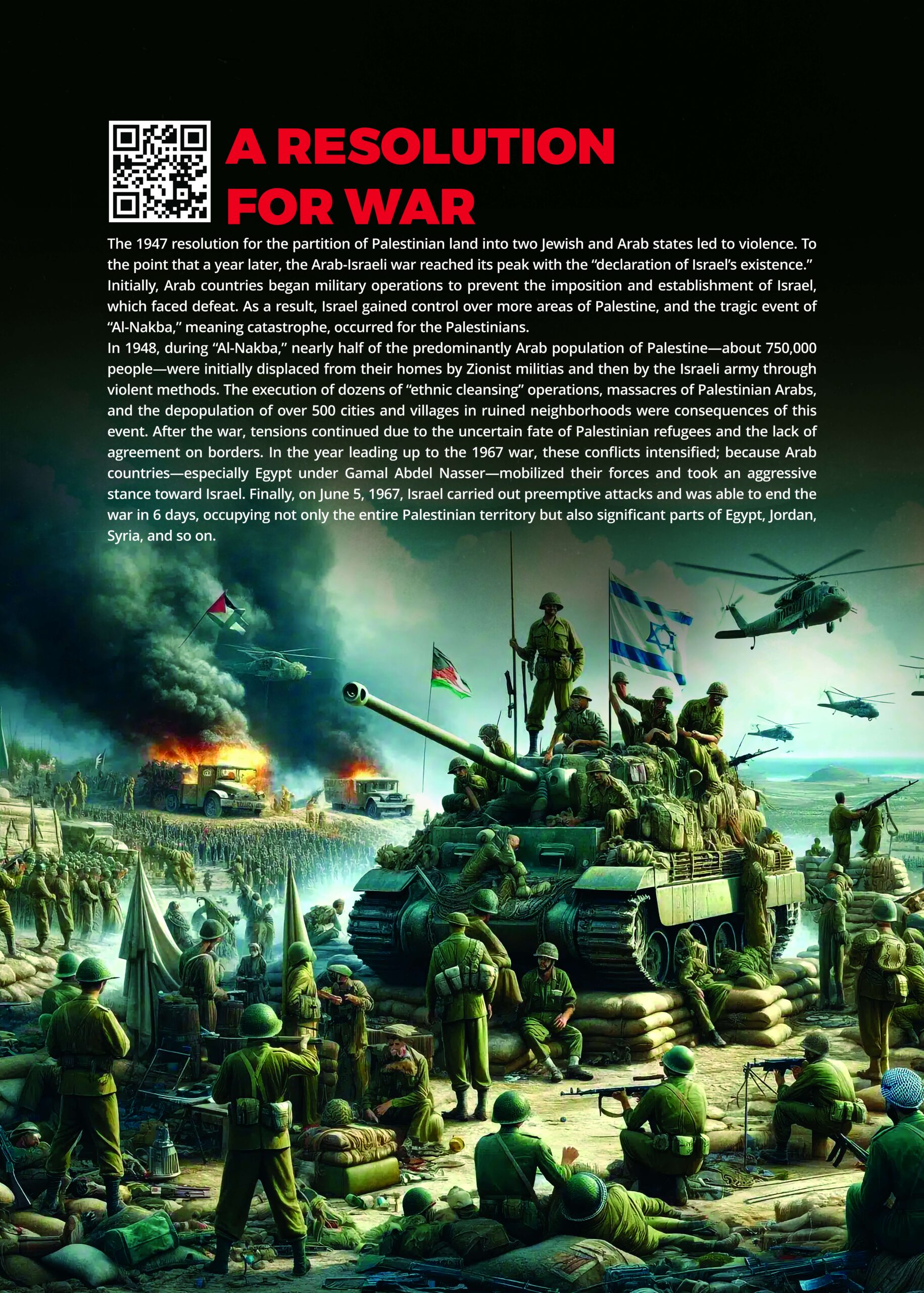
Nakba Day, observed annually on May 15, commemorates the catastrophe and indeed the “disaster” that led to the mass displacement of Palestinians during the 1948 Arab-Israeli War and the subsequent establishment of the Zionist regime’s state. This day not only marks the beginning of a significant chapter in Palestinian history but also reflects the complex currents and events rooted in the geopolitical conflicts of that era.
Background in 1947
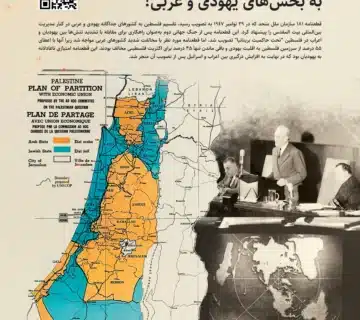
The events leading to Nakba Day have their origins in various political processes, lobbying efforts, and prolonged conflicts due to the onset of Zionist occupation in Palestine. In November 1947, the United Nations adopted the Partition Plan for Palestine, aiming to create independent Jewish and Arab states. While Zionists welcomed this plan, the local Arab population and neighboring Arab countries rejected it, setting the stage for escalating tensions and conflicts. Subsequently, on May 14, 1948, David Ben-Gurion declared the establishment of the state of Israel. This declaration was met with internal unrest in Palestine and the immediate onset of war, as Arab countries in the region opted for military intervention to defend Palestinian Arabs. The 1948 war is often depicted through two opposing narratives: Israelis celebrate it as the war that led to their independence, while Palestinians remember it as the day of catastrophic loss of their lands and rights.
Additionally, in 2022, Zionists attacked the region on average 30 times per week, with 16 of these attacks resulting in casualties or property damage, and 14 involving harassment, intimidation, or unauthorized entry into homes. During these violent incidents, 46 people were injured, 241 trees were damaged, 6 livestock were stolen, killed, or injured, and 14 vehicles were damaged. Between 2017 and 2022, violence by Israeli settlers against Palestinians increased by 96%, with 13 Palestinians killed by Israelis during these incidents. The level of settler violence in 2022 reached 1,571 attacks, including casualties, property damage, harassment, intimidation, and unauthorized home entries, with the frequency increasing each year (Premiere Urgence Internationale Palestine).
Military Events and Zionist Deceptions
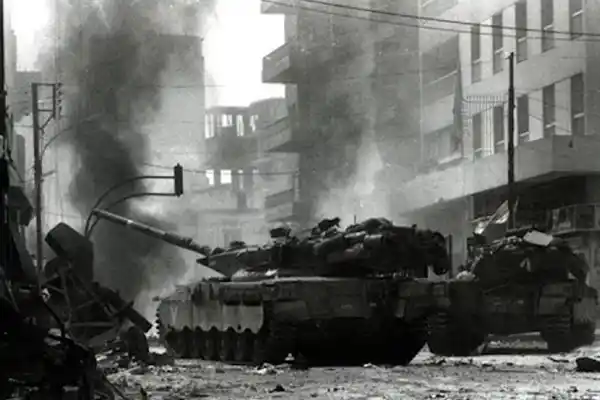
As previously mentioned, the 1948 war began after Israel’s declaration of independence, leading to immediate military conflict between Zionist forces and the armies of neighboring Arab states, including Egypt, Jordan, Syria, Lebanon, and Iraq. While Arab leaders portrayed this war as a unified Arab response to protect Palestinian Arabs, the realities were more complex, with political and military objectives significantly differing among them and their adversaries. As extensively documented in the works of Ilan Pappe, Zionist forces had begun reinforcing their troops and military fortifications even before the war started, effectively circumventing restrictions imposed by Britain. This advantage allowed them to gain the upper hand in military strategies and war preparedness, a critical element in their ultimate success.
Throughout the conflict, numerous battles occurred on various fronts, resulting in significant territorial gains for Israel. By early 1949, ceasefire agreements began to emerge, but by then, Israel’s territory had expanded beyond what was initially proposed. The inability of Arab armies to coordinate effectively led to their defeat, often attributed to differing political interests and military capabilities during the war.
Siege of Palestinian Villages
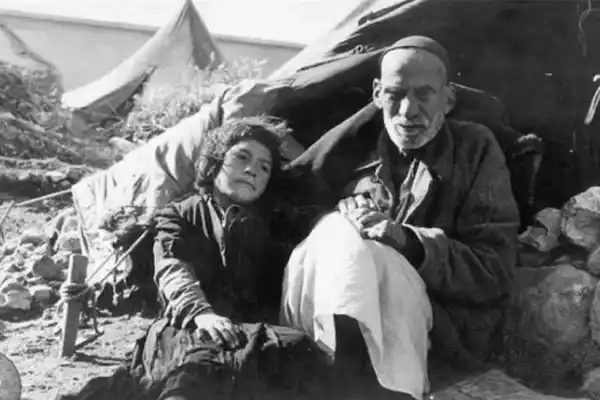
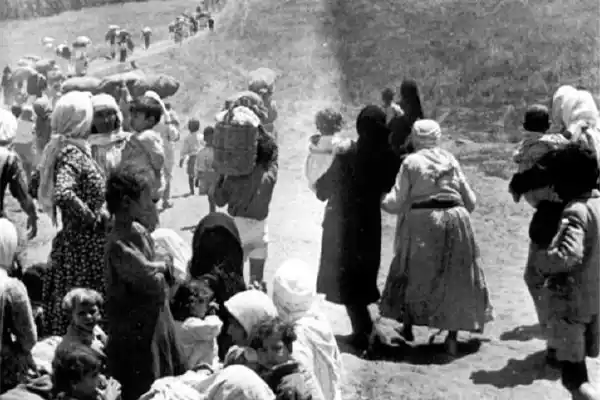
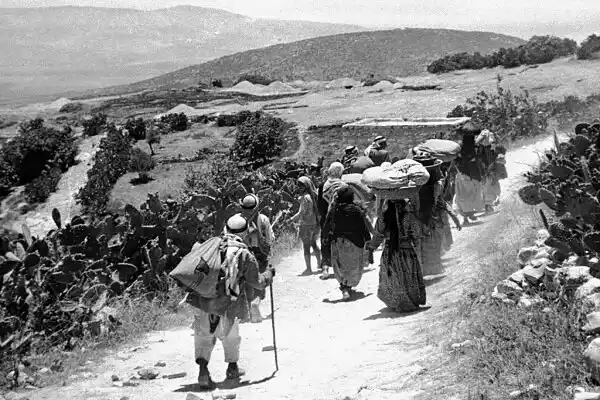
During these conflicts, many Palestinian villages were depopulated. Historical reports indicate that over 700,000 Palestinians were displaced due to violent acts and direct expulsions by Zionist forces. This process has been regarded by international bodies and experts as ethnic cleansing, with many historians, including Pappe, arguing that the war was fundamentally a pre-planned strategy aimed at eradicating the Palestinian population. Israel’s military actions during this period are often justified within the framework of ensuring the survival of the newly established state and countering potential threats from Arab forces; however, in the course of these actions, they committed widespread atrocities against the Palestinian people, causing irreparable damage to Palestinian society.
Consequences of the War
The events of “Al-Nakba” and the subsequent war transformed the geopolitical landscape of the Middle East. In the short term, the war led to a Palestinian refugee crisis, with displaced Palestinian families scattered across Gaza, the West Bank, and neighboring Arab countries, living in dire conditions.
This displacement and demographic shift created a situation where Palestinians were divided into those who remained under Zionist rule in their homeland and those who sought refuge abroad, resulting in a crisis and a sustained struggle for their lost identity and rights. Numerous controversial narratives surround the Nakba event, and this issue continues to influence political discourse and the shaping of Palestinian community identity to this day. The opposing side’s narratives are filled with heroic and valiant depictions of their military forces and efforts. Indeed, the core of Zionist narratives portrays the 1948 war as a struggle against overwhelming challenges to unite Israeli society around the project of building and defending the state. This duality in narratives and perspectives reflects broader international discourses on truths, Zionist victimhood, and sovereignty in the region.
The Importance of Emphasizing the Revival of Palestinian Identity
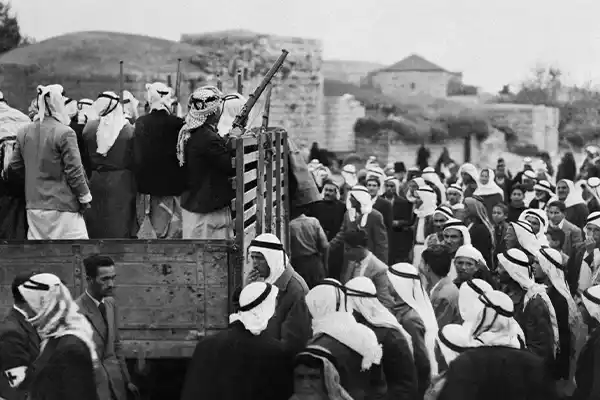
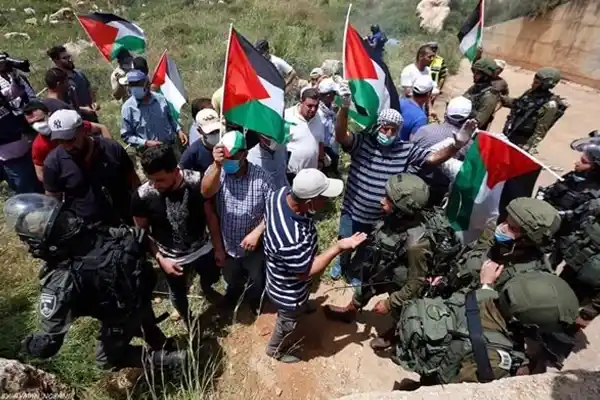
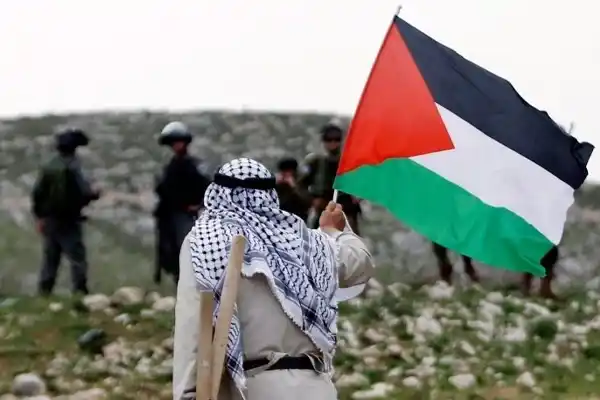
Every year on the anniversary of the Nakba, Palestinians and supporters of their lost rights organize events worldwide to commemorate the crimes and injustices committed by Zionists against the Palestinian people, emphasizing the importance of reclaiming their history, identity, and defending justice, as well as the right of refugees to return to their homeland. Commemorating this day serves as both an acknowledgment of past injustices and a call to support the ongoing struggle and resistance against Zionist occupation and the expansion of their settlements.
Examining Nakba Day and the 1948 Arab-Israeli War is crucial for understanding current discussions surrounding the Israel-Palestine issue. Despite varying narratives, revisiting the consequences of Zionist actions and crimes during and after the war, and the pursuit of justice, continues to shape the political landscape of the region.

Al-Nakba: A Catastrophe and a Perpetual Motivation for Resistance
The Nakba not only resulted in the loss of Palestinian homes and lands but fundamentally shattered Palestinian society, creating a lasting crisis and deep divisions among them. The tragic legacy of this event continues to impact future generations. The dispersal of Palestinians across various communities, including refugee camps and life under Zionist occupation and pressure, has created a situation where approximately 10 million Palestinians now live in unstable conditions characterized by constant hardship. Thus, the Nakba provided the groundwork for a prolonged struggle in which Palestinians seek to revive their identity and reclaim their rights, continually representing their unique narrative with a proper understanding of what happened and the current situation.
The consequences of the Nakba were exacerbated by the events of the 1967 war, during which Zionists occupied more Palestinian territories. This conflict led to the occupation of the West Bank and Gaza Strip, expanding the cycle of displacement and crime that began in 1948. The strategies employed by Israel during this war caused significant damage to Palestinians, inflicting deeper economic and social harm. Reports from the World Bank and human rights organizations highlight the dire economic situation in the occupied territories post-war, including chronic shortages of essential resources and rising unemployment rates. The bitter events associated with Zionist occupation have turned daily life for Palestinians into a struggle for survival, subjecting them to continuous deprivations that are hard for others to imagine.

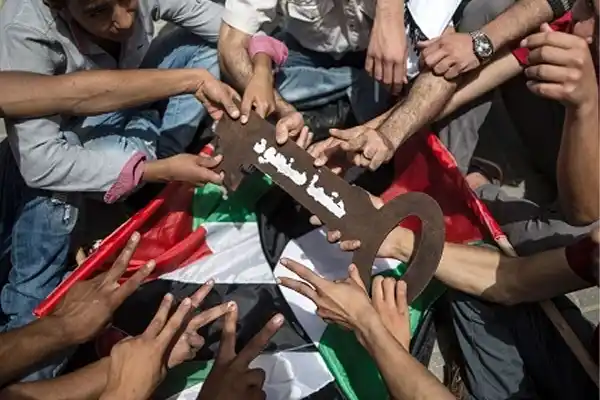
Israeli Violence in Palestine
Moreover, the 1967 war created a new narrative of dispossession, rights violations, and consequently, Palestinian resistance. Those living in the occupied territories endure life under a repressive occupying regime, while other Palestinian citizens have developed a complex and distinct identity rooted in historical injustices against them and their compatriots. The concept of coexistence initially proposed by early Zionist leaders gave way to decades of displacement, pressure, and repression. The lasting impacts of the 1948 and 1967 wars are evident in all aspects of Palestinian life, from socio-economic conditions to their perpetual resistance for recognition and justice in a context where there is no end to Zionist expansionism and occupation.
The 1967 Arab-Israeli War
The 1967 Arab-Israeli War, often referred to as the Six-Day War, marks a pivotal moment in Middle Eastern and particularly Palestinian history. This conflict significantly altered the region’s political landscape and had lasting consequences that continue to affect Israel-Palestine relations and broader regional geopolitical dynamics.
Background
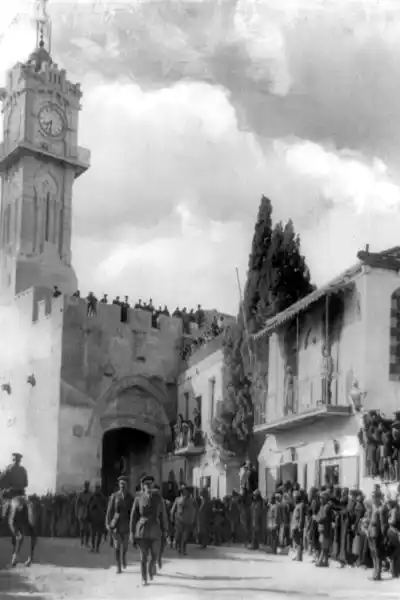
The roots of the 1967 war lie in a complex interplay of factors including nationalism, territorial disputes, and escalating tensions following the formal establishment of the Zionist regime’s state in 1948. Regional developments after World War II and international interventions in the fate of the Palestinian people, including UN Resolution 181, which approved the partition of Palestine into separate Jewish and Arab states, granted Zionists a land they had long desired. However, for Arab nations and Palestinians, this resolution was seen as a great injustice, resulting in nothing but massacres and displacement for them. After the 1948 war, the newly established Israel expanded its territory, leading to a Palestinian refugee crisis and heightened hostilities with neighboring Arab countries, particularly Egypt, Jordan, and Syria. Consequently, the region became embroiled in a series of confrontations and territorial disputes, including cross-border attacks and the central issue of control over the Gaza Strip. Economic and political factors, such as Egypt’s nationalization of the Suez Canal and the rise of Pan-Arabism under President Gamal Abdel Nasser, also intensified and accelerated the conflicts, turning them into a full-scale war. In the months leading up to June 1967, tensions escalated with Nasser’s rhetoric, the deployment of Egyptian forces to the Sinai Peninsula, and the blockade of Zionist shipping routes through the Straits of Tiran. These actions alarmed Israel, which portrayed them as an existential threat. The pre-war conditions, combined with heightened nationalist sentiments in Arab countries and subsequent threats to destroy the state of Israel, prompted Zionists to launch a preemptive strike.
Military Conflicts
The consequences and impacts of the 1967 war can be examined from various dimensions:
• Territorial Changes: The war resulted in Israel’s occupation of the West Bank, Gaza Strip, Sinai Peninsula, and Golan Heights. These territorial changes fundamentally altered the region’s map and led to ongoing conflicts and issues that persist to this day.
• Strengthening Palestinian Identity and Resistance: The loss of rights and occupation of lands prompted Palestinians to reevaluate their strategies and identity. Initially relying on Arab nationalism, they began forming a distinct Palestinian identity emphasizing self-determination and autonomy, which peaked with the emergence of the Palestine Liberation Organization (PLO).
• Shift in Arab States’ Approaches: The war severely damaged the credibility of Arab nationalist leaders, particularly Gamal Abdel Nasser, and brought about a clear shift in their policies and approaches. As a result, previous ideological goals centered on Pan-Arab unity were discredited as Arab states grappled with internal issues and military defeats.
• Developments in International Relations: The 1967 war also altered the geopolitical balance internationally. The United States began consolidating its influence in the Middle East, while the Soviet Union’s position declined. Additionally, post-war developments transformed US-Israel relations into a formal strategic alliance.
• Issuance of UN Security Council Resolution 242: After the war, the UN Security Council adopted Resolution 242, calling for the withdrawal of Israeli armed forces from territories occupied during the conflict and emphasizing the need for a just resolution of the refugee issue. However, the interpretation of this resolution has always been contentious and remains unresolved as a key aspect of peace negotiations.



No comment