 Arabic
 Persian
 English


The Yinon Plan and the Continuation of Historical Zionist Ambitions
The Yinon Plan, introduced in Oded Yinon’s 1982 article titled “A Strategy for Israel in the 1980s,” presents a controversial vision for Israel’s future, particularly in the realm of its geopolitical ambitions in the Middle East. This document has long served as a touchstone for discussions surrounding Israel’s foreign policy. Its core recommendation is that, to ensure its survival and dominance in the region, the Zionist regime must pursue a strategy of fragmenting and dismantling powerful neighboring states.
Principles and Processes of the Yinon Plan
Balkanization of Arab Countries
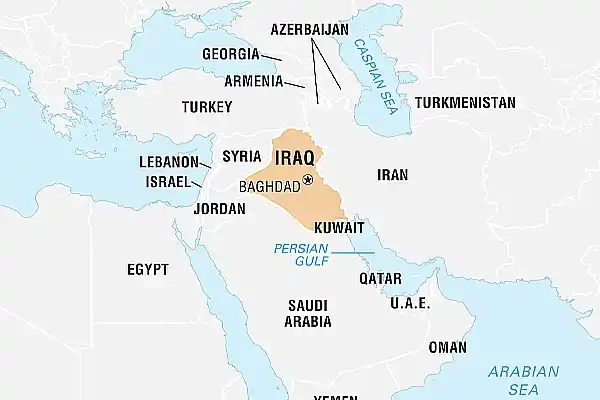
The concept of “balkanization” refers to the division of countries into smaller, often ethnically or sectarians-based regions. One of the central principles of the Yinon Plan is the fragmentation of Arab countries surrounding Israel into smaller political, ethnic, or religious entities. Yinon argued that such divisions would weaken these states, rendering them incapable of countering Israel’s interests or resisting its directives. In his view, countries like Iraq should be divided into separate territories for Kurds, Shiites, and Sunnis, transforming them into weaker satellite states that could be more easily manipulated in line with Zionist policies and strategies. This approach has been extensively analyzed in Oded Yinon’s writings and those of other Zionist strategists since the establishment of Israel. According to the Yinon Plan, the dissolution of strong and cohesive Arab states is not only in the interest of the Zionist regime but is also considered a prerequisite for the establishment of a “Greater Israel.” Specifically, the division of Iraq into a separate Shiite state, a Sunni state, and a Kurdish region was prioritized—a clear indication that the plan’s objectives for balkanizing countries were operational and based on precise prior assessments. The Zionist argument was that such fragmentation would enable Israel to reduce threats posed by unified Arab nationalism as a reaction to its policies. Proponents of balkanization fundamentally support sustained regional instability to dismantle the foundation of stable and united states, an idea that Israeli leaders find conducive to their geopolitical and security frameworks.

Historical Context for Implementing the Balkanization Strategy
To understand the historical context for proposing and implementing the balkanization policy, one must consider the colonial legacy and interventions by international powers that have reshaped the geopolitics and active forces in the Middle East over the past century. The collapse of the Ottoman Empire and the subsequent imposition of new national borders by colonial powers, particularly Britain and France, led to the creation of artificial states that often encompassed diverse ethnic and sectarian communities. These arbitrary boundaries laid the groundwork for tensions and internal conflicts within regional states, which were later exacerbated by newer programs implemented by foreign powers. These countries have consistently exploited such divisions to pursue and maintain their strategic interests. Such interventions often took the form of supporting local factions or proxy wars, as clearly seen in the conflicts in Libya, Iraq, and Syria. These actions have all served the implementation of Oded Yinon’s blueprint. For instance, the Syrian conflict clearly demonstrates how foreign powers pursuing their geopolitical objectives can lead to social fragmentation and ethno-religious crises, with the sole aim of creating a fragmented and more manageable region.
Establishing Israel as the Region’s Dominant Power
Yinon emphasized that, for its survival, the Zionist regime must establish itself as the dominant power in the Middle East. To achieve this, he recommended in his plan: “Creating a network of states around Israel, all aligned with Israel’s interests, is critical to achieving this goal.” In his view, this model not only secures Israel’s safety but also ensures its position through the use of dependent states.

Forming Alliances with States Aligned with Zionist Goals
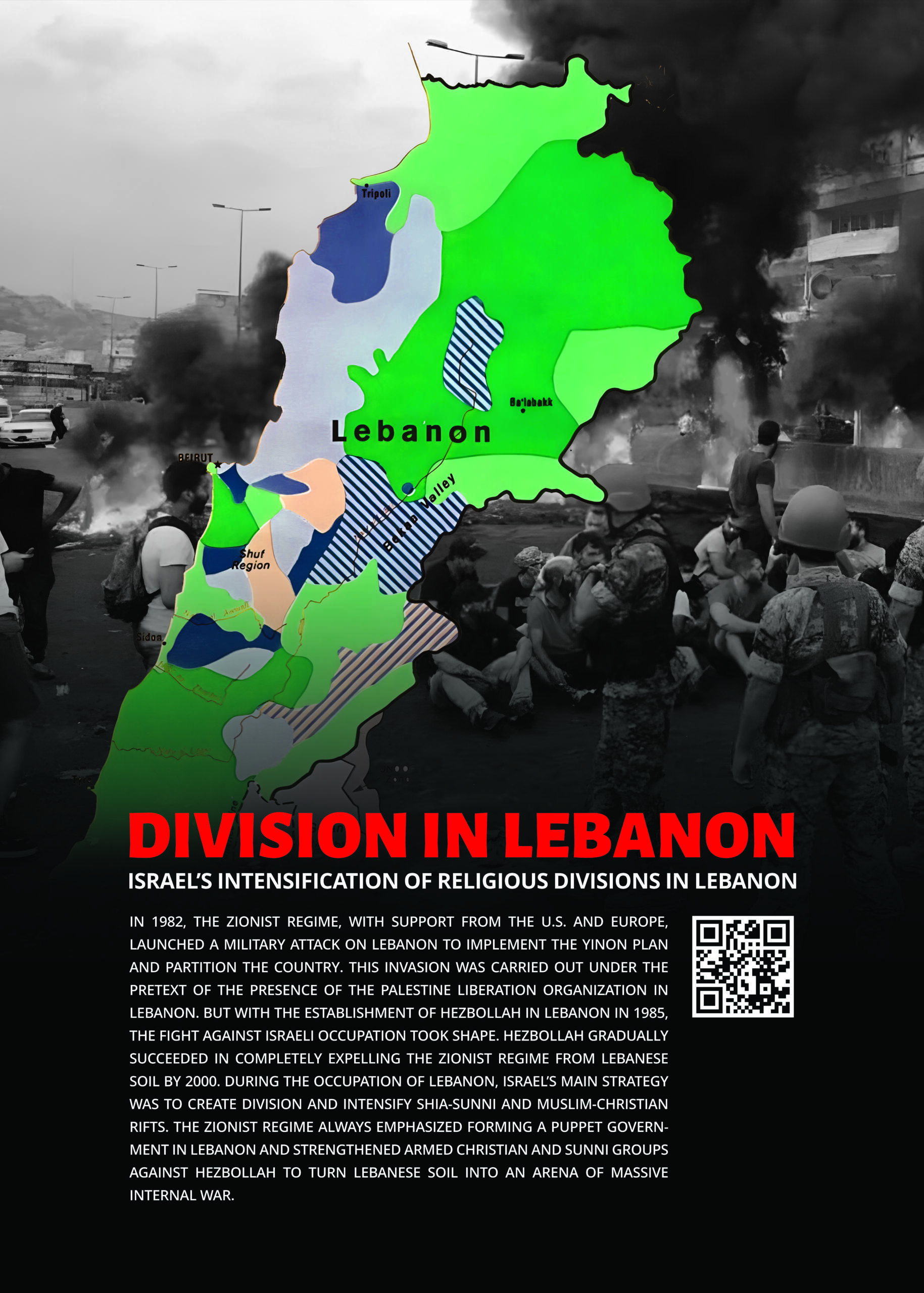
Another strategy introduced in the Yinon Plan emphasizes creating allied states around Israel as a tool to enhance its regional dominance and security. Yinon argued that, to ensure survival, Israel must reshape and reorganize its geopolitical environment. This strategy involves creating new neighboring states from smaller sectarian entities carved out of previously cohesive states, which are likely to align with Israel’s policies and actions. This would establish a network of allied states that provide the moral and strategic legitimacy needed for Israel’s actions. The dissolution of stronger, multi-ethnic states is considered a critical first step in this strategy, allowing Israel to exert influence over these newly formed entities, which could include parts of Lebanon, Jordan, Syria, and even regions of Iraq and Saudi Arabia.
According to Jonathan Cook in his book Israel and the Clash of Civilizations, this strategy is examined within the broader context of regional transformations driven by foreign interventions (particularly by the United States). The book reinforces the notion that the collapse of Middle Eastern states is not merely a theoretical proposition or a hypothetical scenario based on a theorist’s plan but part of an active, overarching geopolitical strategy supported by neoconservative ideologies. Cook argues that through these interventions, particularly the U.S. invasion of Iraq, the predicted “fragmentation” strategy advances, alongside the prospect of expanding Israel’s borders and influence in the region, ultimately enabling the annexation of larger territories and the expulsion of the entire Palestinian population. Thus, the balkanization strategy pursues dual objectives: strengthening Israel’s security while simultaneously extending its influence over a broadly fragmented region.
Yinon also believed that restructuring neighboring states creates opportunities for the displacement of Palestinians, effectively endangering their aspirations for national sovereignty. The Yinon Plan, by advocating policies that weaken or dissolve neighboring states, not only disregards the Palestinians’ right to self-determination but actively and permanently undermines it, further eroding the prospects for its realization. This tactic reflects a consistent pattern in Israel’s policies, which continuously destabilize its neighbors while consolidating its own power.
A Modern Iteration of Historical Zionist Ambitions
It is noteworthy that this plan is rooted in a broader historical narrative originating from the early Zionist ambitions during the dissolution of the Ottoman Empire, embodying a longstanding theme in Israel’s strategic thinking. The plan aligns closely with the ambitions of figures like Theodor Herzl, demonstrating that the idea of a “Greater Israel from the Nile to the Euphrates” has been a persistent pattern in Zionist ideology. Similarly, the vision of a “Greater Israel,” referenced in parts of the Yinon Plan, has long influenced Zionist ideology and the regime’s military strategies, evident in Israel’s policies since the early 20th century. This overarching strategy is not merely about territorial claims but also involves fragmenting neighboring Arab states into smaller ethnic and sectarian units for easier control and influence by Israel. It can be said that the influence of ideas put forth by early Zionist movement figures has persisted in shaping the regime’s actions over the decades, with the central theme being that Israel must become the unrivaled dominant regional power. Overall, the plan is rooted in earlier Zionist strategies aimed at reshaping the Middle East’s political landscape, reflecting an ideological commitment to establishing and expanding an exclusively Jewish state.
In the book Israel’s Sacred Terrorism, with an introduction by Noam Chomsky, the historical context of this Zionist strategy is explored, showing how the concept of “sacred terrorism” has played a central role in shaping Israel’s national policies, including the Yinon Plan. For example, from the perspective of Zionist leaders like Moshe Sharett, the use of violent means to establish a Jewish state is entirely justified and logical. This requires creating a government based on principles and policies that marginalize Arab societies and prioritize aggressive military actions. The book critiques the ethical dilemmas of such actions, emphasizing how Zionist thought, from its inception, leveraged an expansionist and colonialist vision to lay the groundwork for subsequent strategies aimed at destabilizing surrounding Arab states.3

Coordination with U.S. Foreign Policy
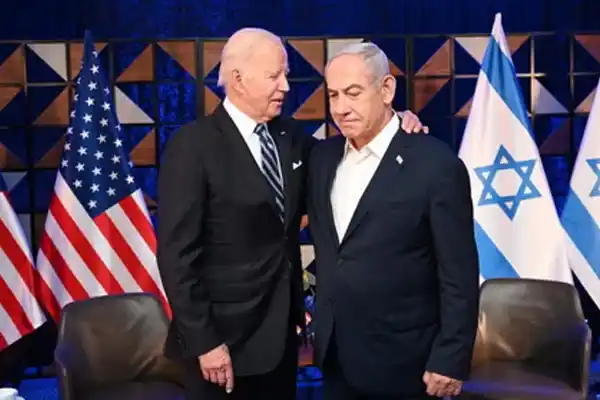
Yinon’s strategies are often analyzed in the context of implementing U.S. foreign policy in the Middle East. The alignment of U.S. interests with the plan’s strategies for balkanizing regional states indicates that American interventions, particularly in Iraq and Libya, were not coincidental but part of a broader strategic alignment with Israel’s objectives. 4
The Yinon Plan’s Place in Israel’s Overarching Strategy
Despite Yinon’s claims that his ideas regarding geopolitical developments were not operational, many researchers believe that the themes of his article have significantly influenced Israel’s policies over decades. The decisions of Zionist regime leaders in various military and political arenas align closely with the principles outlined in the Yinon Plan. 5
About Oded Yinon
Oded Yinon was born in the mid-1930s to a Jewish family in British Mandate Palestine. Primarily a journalist and writer, his work focused on issues related to Zionist goals and Israel’s national security. Yinon also served as a senior advisor in Israel’s Ministry of Foreign Affairs, providing him with unique insights that shaped his strategic thinking about the Middle East. His writings generally focused on two main areas: immediate security challenges and the long-term strategic vision of the Zionist regime, while emphasizing the need to adapt to the region’s changing geopolitical conditions. While the idea of balkanizing the region in the Yinon Plan sparked widespread debate, Yinon is primarily recognized as a theorist in this field rather than an executive official in the Zionist regime’s government. His ideas encompass a wide range of strategies among Israel’s prominent political factions. This necessitates examining his connections with Israeli leaders, particularly Ariel Sharon.
Ariel Sharon and the Yinon Plan
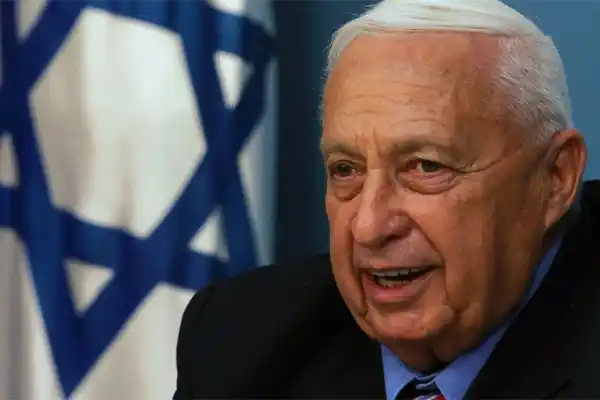
The overarching approach of Ariel Sharon, a key figure in the Zionist regime’s political structure and then-Prime Minister, known for his aggressive military strategies and expansionist policies, aligned with the objectives outlined in the Yinon Plan in managing relations with neighboring Arab states.
Sharon’s Military Philosophy
Sharon’s military philosophy during key Zionist regime conflicts, including the Yom Kippur War and his role in instigating the Lebanese Civil War, reflects his firm belief in preemptive aggressive strategies to ensure Israel’s security, as outlined in the Yinon Plan. In other words, his military approach was entirely aligned with the strategy of destabilizing neighboring countries to counter their threats, a central pillar of Yinon’s overarching strategy.
Alignment with Yinon’s Principles
Although Sharon’s political doctrine does not explicitly reference the Yinon Plan, its themes and sections concerning “creating favorable conditions for Zionist regime military operations in Lebanon” and other parts aimed at “reshaping the Middle East” were formulated based on the Yinon Plan’s ideas. Sharon’s policies, particularly in dealing with Palestinian territories and his role in the Second Intifada, are interpreted as advancing the idea that Israel must act decisively to shape its regional environment.

Shared Perspectives with Neoconservatives
The rise of neoconservative thought in the United States in the late 20th century, often advocating for regime change in Arab countries, reflects shared ideological ground with Oded Yinon’s views. Israeli leaders like Sharon found a counterpart in this worldview, which furthered Israel’s expansionism within the framework of strategic cooperation with the United States. In fact, the Zionist regime’s fragmentation strategy, as a means to ensure its survival amid regional geopolitical challenges, has been consistently reiterated. This strategy is inherently tied to Israel’s goal of expanding its borders and influence, particularly in addressing threats from countries like Iraq, Iran, and Jordan. Yinon’s perspective also called for the systematic weakening of nationalist Arab states. He viewed the creation of small sectarian states as a way to establish a buffer zone where Israel could control its neighbors while promoting instability in those countries. The strategic focus on Iraq as a case study in the Yinon Plan is notable, with the 2003 U.S.-led invasion resulting in chaos and severe sectarian and religious divisions, aligning with the goals outlined in Yinon’s analysis. It can be concluded that U.S. foreign policy, influenced by neoconservative ideologies, often aligns with Israel’s aspirations to control the Middle East, exacerbating conflicts rather than resolving them.
Reasons for the Public Release of Secret Zionist Documents at the Time
In Jonathan Cook’s Israel and the Clash of Civilizations, it is noted that Zionist regime leaders initially believed they could operate under the cover of linguistic barriers, allowing them to obscure their true intentions and goals. This perception played a significant role in how Israel’s strategies were formulated and publicized. In fact, key national security documents and strategic plans, such as Oded Yinon’s 1982 plan, were publicly released with the confidence that their opponents, particularly in the Arab world, would not fully grasp the implications or true objectives behind these policies. This overconfidence led them to assume that the nuances embedded in the Hebrew language would be incomprehensible to those without a shared linguistic or cultural background, enabling Zionist regime leaders to implement these plans with minimal resistance or understanding from their neighbors. Furthermore, this approach reflects a broader pattern in Zionist strategic thinking, emphasizing the fragmentation and division of surrounding Arab countries—a theme evident in Yinon’s writings. By presenting these overarching strategies in a way that could be interpreted in various forms, Israeli leaders aimed to mask their aggressive ambitions under the guise of “legitimate security concerns.” Their expectation was that the Arab world, already preoccupied with internal issues, would remain confused and passive rather than actively countering the fabricated Zionist narrative. This assumption was not only based on the region’s internal geopolitical complexities but also considered the challenges neighboring countries faced in formulating cohesive strategies to address existential threats.
US and Israeli strategies to destabilize Iran
Resources
https://michelchossudovsky.substack.com/p/greater-israelthen-and-now-the-zionist



No comment