 Arabic
 Persian
 English

The Path to Jerusalem Passes Through Baghdad!
Since the U.S.-led invasion of Iraq in 2003, the geopolitical landscape of the Middle East has undergone significant turmoil, with sectarian conflicts and violent wars forming a key part of this new reality. Key documents that have been thoroughly introduced before illuminate the strategies employed by the United States during and after this invasion, revealing a deliberate Zionist approach (contrary to claims of fighting terrorism and weapons of mass destruction) aimed at dividing Iraq’s social and religious groups.
In Jonathan Cook’s book Israel and the Clash of Civilisations and Scott Ritter’s Iraq Confidential, it is noted that various U.S. policies in Iraq aligned with the broader objectives outlined in Zionist plans, which sought to Balkanize Arab countries to- The Oded Yinon plan, proposed in 1982, aimed to balkanize the Middle East by dividing Arab countries into smaller, weaker entities.
ensure Israel’s regional dominance. By examining related documents and sources, one can conclude that this invasion—often justified by U.S. leaders as a response to terrorism and weapons of mass destruction—had other underlying factors and motivations.
In fact, this action was part of the ongoing Zionist efforts to Balkanize Iraq, exploiting existing ethnic and sectarian tensions to weaken the country’s regional power and control its oil resources. Overall, the conclusion is that- U.S. policies in Iraq aligned with Zionist strategies to ensure Israel’s regional dominance, as noted in books like “Israel and the Clash of Civilisations.”
this move was heavily inspired by the grand Oded Yinon plan for a Greater Israel and the neoconservative “Clean Break” strategy.
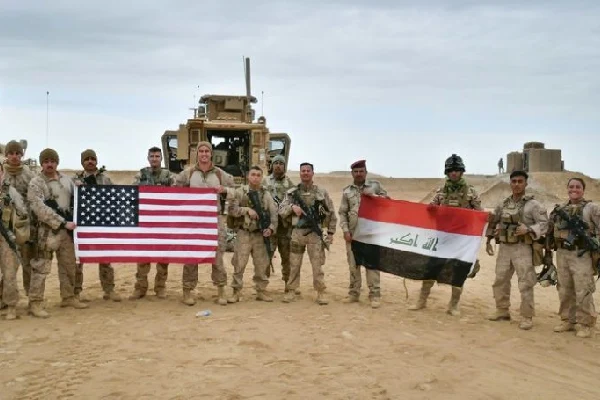

• The Oded Yinon Plan
The “Oded Yinon Plan,” as Israel’s strategic document created in 1982, was essentially a program for Balkanizing the Middle East. According to its proponents and drafters, the plan’s goals included dividing regional countries into smaller, weaker political entities, thereby guaranteeing Israel’s dominance in the region. While the Yinon Plan is often viewed as a purely Israeli project, it ultimately linked with other strategies and plans, leading to U.S. involvement and intervention in Iraq. From critics’ perspectives, the United States implemented aspects of this strategy in its actions against regional countries.
This strategy, officially titled “A Strategy for Israel in the 1980s,” was a multifaceted approach for Israel to maintain and expand its position in the Middle East. Key elements of the plan include:
- Balkanization: The document calls for the fragmentation of existing Arab countries into smaller, more dispersed units by exploiting ethnic and religious divisions.
- Targeting Iraq: With its vast oil reserves and central position in the region, Iraq was identified as a primary target for Zionist Balkanization. In fact, Israeli strategists sought to divide Iraq into a Kurdish state and two Arab states—one for Shiites and another for Sunnis.
- Escalating Ethnic and Religious Conflicts: The plan aims to create and intensify tensions between various ethnic and religious groups in Arab countries.
- Securing Israeli Dominance: Through this plan, Israel intended to ensure its political and military supremacy in the region by creating an insecure and unstable environment for surrounding countries.
In Israel and the Clash of Civilisations, Jonathan Cook states that the outcomes of U.S. actions in the Iraq War (civil war and potential fragmentation) were not accidental but rather a deliberate strategy anticipated and executed by neoconservative policymakers. This approach essentially reflects the ideas presented in Oded Yinon’s 1982 article, which advocated for the fragmentation of Arab countries neighboring Israel into smaller, more manageable ethnic and sectarian units in line with Zionist interests.
Cook notes that the subsequent division of Iraq into Kurdish, Sunni, and Shiite regions significantly aligned with the Yinon Plan and broader Israeli strategies for achieving a Greater Israel. Maps published in The Atlantic in 2008 and earlier in 2006 in the Armed Forces Journal serve as symbols of the new Middle East and its desired divisions, supporting this claim.
The 400,000 members of the Ba’athist Iraqi army, who became unemployed after the war and Saddam’s fall, were channeled into extremist and terrorist groups under Zionist strategies, intensifying religious and ethnic divisions to increase conflict and violence. The ultimate goal of the U.S. invasion and these strategies was to neutralize Iraq as a cohesive country with a significant intertwined Sunni-Shiite population and a potential rival to the Zionist regime, through division and separation.

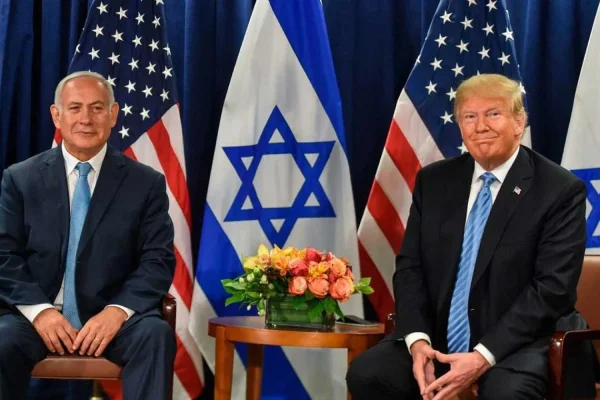
• The Clean Break Strategy
Cook also specifically refers to the “Clean Break” document, written in 1996 by key neoconservative advisors to the U.S. government for Netanyahu, which recommended plunging Iraq into chaos and sectarian violence after Saddam. This prior awareness indicates that the destabilizing consequences of the U.S. invasion of Iraq were not merely a potential forecast but a calculated aspect and integral part of the plan. The “Clean Break” strategy explicitly sought to reshape the Middle East to align with U.S. and Israeli interests, particularly access to Iraq’s oil resources.
The U.S. invasion of Iraq in 2003 was a turning point in the region, with numerous consequences that persist to this day. As mentioned, many critics believe the U.S. drew from the principles of the Yinon Plan and the Clean Break strategy in executing its actions during this invasion. Points raised by them in this regard include:
- Dissolution of the Iraqi Army: Dissolving the Iraqi army created a security vacuum in the country, fueling the rise of militias and widespread sectarian violence.
- De-Ba’athification: Removing Ba’ath Party members from government positions further weakened Iraq’s existing social structure, causing a large segment of the population to face an identity crisis.
- Promoting Federalism: The U.S.-led government pursued a federal system that empowered autonomous regional governments, fragmenting Iraq along ethnic and religious lines.
- Emergence of the Shia Crescent: U.S. support for the “Shia Crescent” (a region of Shia-majority countries) is viewed by some as a strategic move to destabilize Israel’s regional rivals and counter their influence.
- Rise of ISIS: Based on conducted research, the emergence of this terrorist group is seen by many as a primary consequence of the destabilizing factors from the U.S. occupation of Iraq.
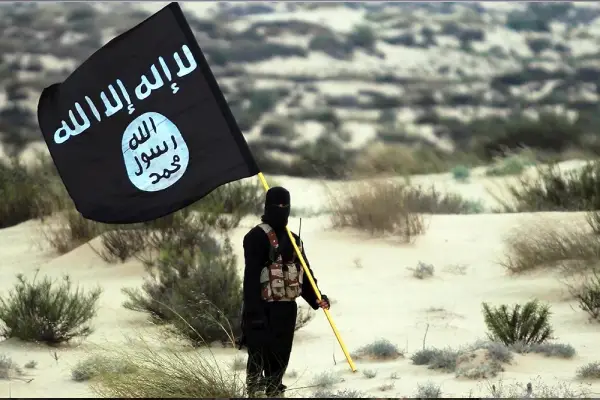
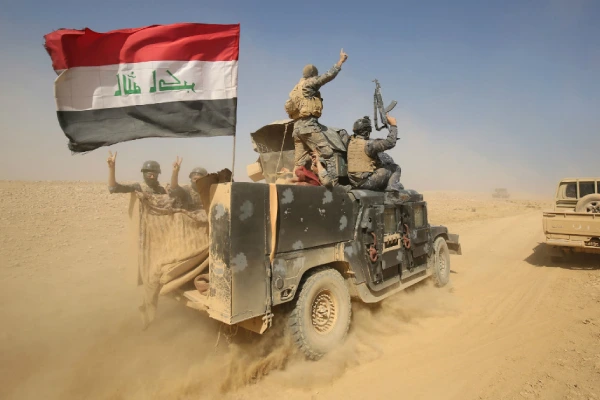
Specific Actions in Implementing the Broader Zionist Strategy Against Iraq
The execution of this strategy by the United States involved several key actions:
- Privatization of Oil and Weakening Government Revenue:
After their military invasion, Americans pursued a neoliberal economic model aimed at heavily privatizing Iraq’s oil industry. This strategy not only weakened government revenues but also empowered various private entities, leading to further fragmentation of political and economic power. Privatization measures meant that the benefits of Iraq’s vast resources shifted away from a unified national interest for the entire country, falling into the hands of various private companies and undermining the financial foundation of the government.
Pressuring Iraq to cede control of its oil resources to foreign companies, as mentioned in Cook’s book, clearly weakened the Iraqi government’s financial power and consequently crippled its ability to maintain stability and resist further fragmentation. This aligned with the long-term goal of securing oil resources, as noted in a September 1978 U.S. Joint Chiefs of Staff memorandum.
As Scott Ritter points out in Iraq Confidential, the oil industry privatization plan was not just an economic move but a strategic maneuver designed in advance to undermine the Iraqi government’s financial stability. By paving the way for foreign companies to control oil resources, the government’s revenue base was reduced, weakening its capacity for effective and independent governance. This type of uncontrolled economic privatization led to greater inequality between the wealthy and the marginalized, doubly fueling dissatisfaction and tension among various religious and ethnic groups.
- Dividing and Balkanizing Religious and Ethnic Minorities:
The United States, by supporting various religious and ethnic groups against each other and exploiting pre-existing tensions, became the instigator of widespread sectarian conflicts in Iraq. The division of major Iraqi cities and targeted support for specific groups reflect a “divide and rule” strategy. This has been emphasized by Zionists, particularly in actions that intensified conflicts between Sunni and Shiite groups and the planned division of Iraq into three small states. Cook’s findings stress that fragmenting religious and ethnic minorities was a core part of the U.S. strategy, often viewed through the lens of the Yinon Plan. The primary goal was to create a landscape of divided loyalties where Shiite, Sunni, and Kurdish groups saw themselves in conflict, thereby preventing any unified opposition to U.S. policies or Israeli interests in the region. This “divide and rule” approach was rooted in the belief that a fragmented Iraq would be more manageable and less threatening to Israel.
- Encouraging Sectarian Violence
According to prominent authors and researchers on the topic, including Cook and Ritter, the U.S. invasion was accompanied by plans and maps related to spreading sectarian violence, executed as a practical tool to achieve the anticipated instability in plans like Yinon and Clean Break. Cook states that the civil war in Iraq was not merely a result of the U.S. invasion but a pre-determined program designed by neoconservatives seeking religious divisions. This destabilizing chaos led to further erosion of national identity in Iraq, pushing communities toward sectarian identities rather than cohesive Iraqi nationalism.
- Providing Money and Weapons to Radical Groups:
The proposed U.S. support for terrorist groups against what is called the Shia Crescent exemplifies the broader Zionist strategy for managing and exploiting conflict rather than promoting peaceful solutions. In this context, for example, reports on the necessity of Pentagon and CIA “black operations” in Iran to create ethnic tensions paint a picture of a calculated destabilization campaign for the entire region. Therefore, one controversial aspect of U.S. intervention and invasion is providing financial support and military equipment to extremist groups, including elements in both Sunni and Shiite communities.
Ritter and Cook also point to the U.S. strategy of arming and financially supporting factions that align with their geopolitical narrative while possessing potential for widespread sectarian violence. This decision escalated internal conflicts and strengthened extremism, contributing to greater instability. The tactic not only focused on discrediting more moderate groups but deliberately bolstered factions that sowed greater division among diverse local ethnic and communal groups.
- Creating a New Middle East:
Rhetoric about a “New Middle East” indicates the Zionist intent to redraw borders and create smaller, fragmented countries across the region (and against Israel’s rivals), as proposed in the Yinon Plan. According to analysts, the U.S. strategy involved fueling instability and chaos to implement regime change in Iraq, ultimately leading to the country’s fragmentation into smaller sections aligned with specific ethnicities and sects, as well as the mushrooming growth of extremist groups.
- Strategic Use of the Constructed Concept of the War on Terrorism:
The “War on Terrorism” narrative post-9/11 provided the United States with broad leeway to intervene in Iraq and frame its military action as a means to restore order and democracy to the country. However, these interventions, instead of bolstering stability, exacerbated divisions and encouraged factionalism, as smaller fragmented groups turned to protecting identities tied to their new, divided affiliations rather than supporting national order and cohesion.
PNAC or Project for the New American Century
Resources
.
.
http://countercurrents.org
.




No comment