 Arabic
 Persian
 English

Continuing Grand Zionist Strategies and Their Role in Destabilizing the Middle East
U.S. Middle East policy after September 11, aligned with Israel’s security goals, was designed to geopolitically reorganize the region by weakening or overthrowing countries seen as threats to Western and Israeli interests, such as Iran, Syria, and Lebanon. Books, documents, and opinions from thinkers like Jonathan Cook, Scott Ritter, and General Wesley Clark reveal a strategy aimed at destabilizing these countries to ensure Israel’s regional dominance.
The 2006 Israel-Lebanon war, which began with the capture of two Israeli soldiers by Hezbollah, is a key example of Israel’s U.S.-backed effort to destroy Hezbollah as a main pillar of the Iran-led resistance axis. However, Hezbollah’s resilience, supported by Iran, thwarted this goal and challenged Zionism’s dream of unchallenged regional dominance.
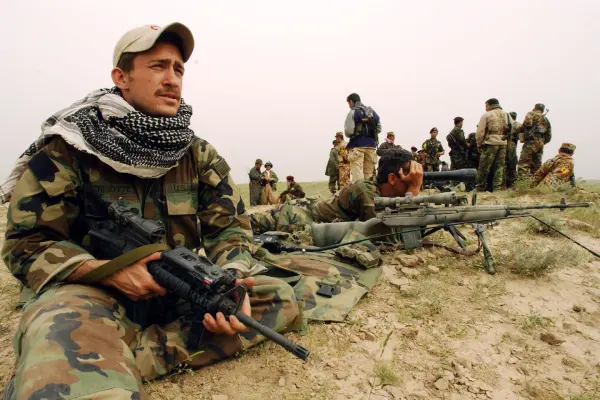
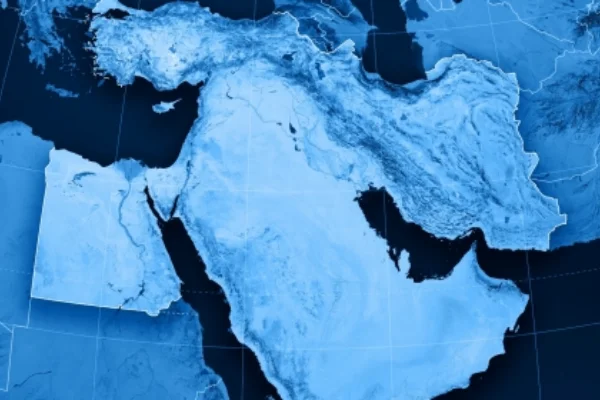
U.S. Strategic Framework for Regional Destabilization
After the September 11 attacks, the United States, under neoconservative influence, adopted a strategy to reorganize the Middle East, as detailed in “Winning Modern Wars.” General Wesley Clark refers to a 2001 Pentagon meeting where a plan to target seven countries in five years was presented: Iraq, Syria, Lebanon, Libya, Somalia, Sudan, and Iran—a plan for regime changes or instability in favor of U.S. and Israeli interests.
Israel not only supported this strategy but actively shaped it, as Iran’s nuclear program, Syria’s support for Hezbollah, and Hezbollah’s presence in Lebanon were seen as existential threats that needed elimination.
The U.S. used tools like sanctions, proxy wars, and direct military support for Israel to dismantle the resistance axis structure, consisting of Iran, Syria, Hezbollah, and groups resisting Western and Zionist dominance. Distortion of information and economic sanctions against Iraq served as a model for implementation against Syria and Iran. Overall, this framework sought to create a regional environment where Israel could consolidate its military and territorial dominance without serious threats—an idea aligned with grand Zionist goals.
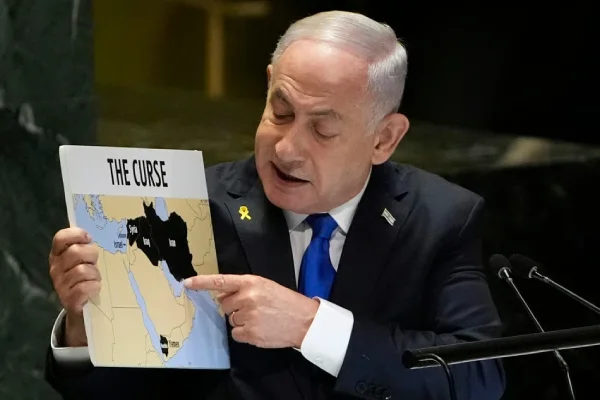
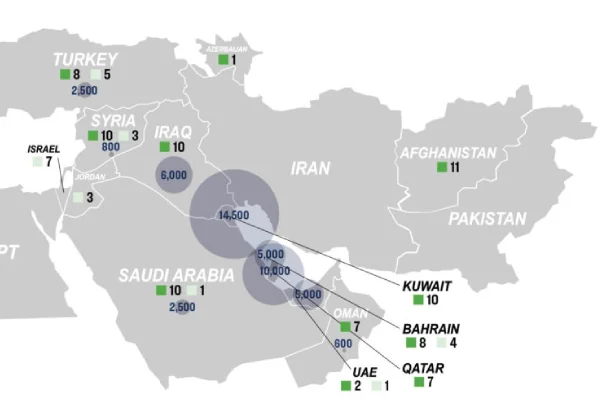
The “Oded Yinon” Plan and Strategy for Fragmenting Regional Countries
The “Oded Yinon” plan, published in 1982 in an article titled “A Strategy for Israel in the 1980s,” outlined a Zionist vision for the Middle East emphasizing the fragmentation and division of West Asian states to ensure Israel’s regional dominance.
Jonathan Cook in “Israel and the Clash of Civilisations” describes this plan as a roadmap for destabilizing neighboring countries by exploiting ethnic and sectarian divides, leading to weak, fragmented units unable to confront Israel’s dominance. The plan specifically targeted Lebanon, calling for its division into sectarian states, and proposed similar strategies for Syria and Iraq to prevent their support for Palestinians and anti-Zionist movements.
For Lebanon, the Yinon plan aligned with Israel’s 1982 invasion and support for Christian militias, providing a model for the 2006 war aimed at weakening Hezbollah as a unifying force in Lebanese resistance. Overall, by weakening cohesive national structures, the plan sought a regional environment more suitable for Israel’s security and expansionist goals, influencing U.S. policies that viewed Arab unity as a threat to Western interests.
“Clean Break” and Alignment with Neoconservatives
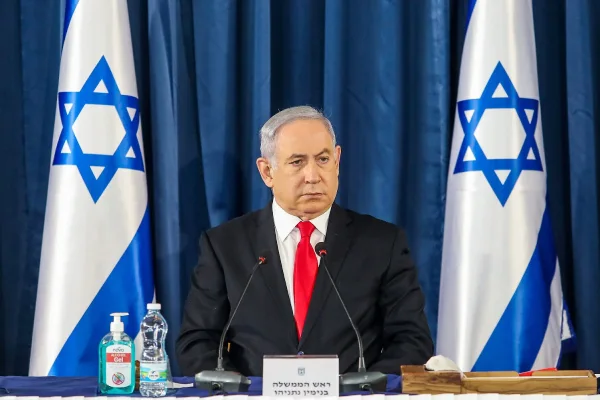
The “Clean Break: A New Strategy for Securing the Realm” document, prepared in 1996 by a group of neoconservative thinkers including Richard Perle and Douglas Feith for then-Israeli Prime Minister Benjamin Netanyahu, more precisely outlined Zionist strategies for regional dominance.
This document called for Israel to adopt a preemptive approach, including preventive strikes and regime change in hostile countries like Syria and Iran, with the goal of redesigning the Middle East in Israel’s favor and expanding its regional and territorial dominance. It also sought to weaken Lebanon by targeting Hezbollah and Syria, aligning with post-9/11 American neoconservative goals.
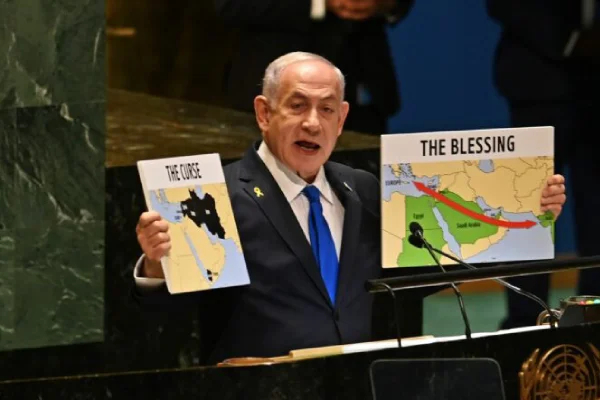
The militaristic “Clean Break” approach coordinated with U.S. “creative destruction” policies toward West Asia, collectively promoting chaos and instability to reshape the Middle East for Western and Israeli interests. This alignment manifested in the 2006 Israel-Lebanon war, where U.S. support for Israeli attacks on Hezbollah reflected the document’s emphasis on eliminating Iran-backed groups to secure Israel’s borders. The imperialistic and domineering tone of this strategy, prioritizing military intervention over diplomacy, led to aggressive actions that destabilized Lebanon and set the stage for broader conflicts in Syria and considerations for Iran.
Groundwork for Aggression Against Lebanon
The Yinon plan and Clean Break document provided the ideological and strategic frameworks necessary to justify Israel’s aggressive actions in Lebanon, particularly in the 2006 war. Israel’s 2006 strategy aimed to implement the Yinon vision for Lebanon’s fragmentation, using targeting Hezbollah—a unifying group among various Lebanese factions against Israeli influence—as the means.
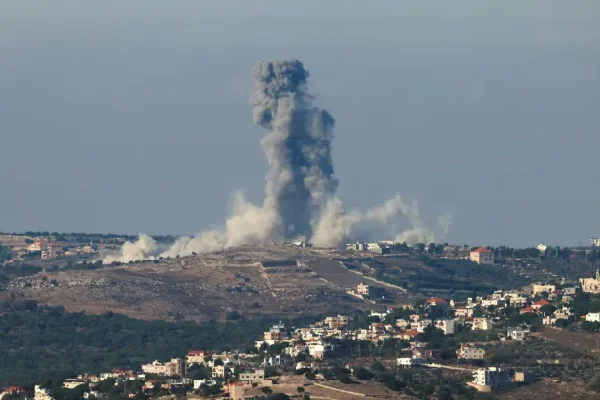
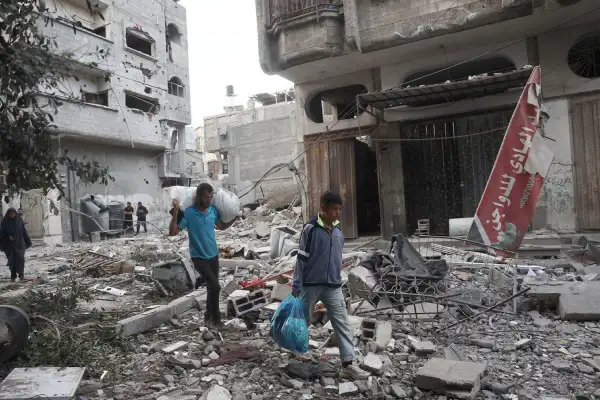
Extensive bombing of civilian infrastructure, including southern Beirut suburbs and major bridges, aimed to isolate Hezbollah and pressure the Lebanese government to curb the group, reflecting commitment to the Clean Break document for decisive military actions. U.S. intelligence tactics, including narrative-building to demonize enemies, were used to justify support for Israeli operations, portraying Hezbollah as a global threat. These strategies paved the way for imperialistic and destabilizing actions in the region that prioritized Israel’s security while disregarding Lebanese sovereignty, but Hezbollah’s resilience challenged their effectiveness.
Targeting Iran and Syria
Grand Zionist strategies extended beyond Lebanon to target Iran and Syria, the main pillars of the resistance axis. The Yinon plan’s vision for fragmenting Syria into ethnic regions inspired U.S. and Israeli efforts to destabilize Bashar al-Assad’s government, especially after 2006 when Syria’s role as a weapons transit route from Iran to Hezbollah gained more importance.
The Clean Break document explicitly called for overthrowing Saddam Hussein and weakening Syria to isolate Iran—a strategy reflected in Clark’s works, showing U.S. influence from Zionist ideas in targeting multiple regional countries.
In fact, the 2006 war’s failure to eliminate Hezbollah shifted Israel’s focus to Iran’s nuclear program and Syria’s logistical support, leading to Israeli airstrikes on Syrian targets and U.S. sanctions on Iran. These actions, rooted in Zionist strategies, aimed to disrupt the resistance axis but often strengthened anti-imperialist sentiments and reinforced the axis in the region, complicating U.S. and Israeli goals.
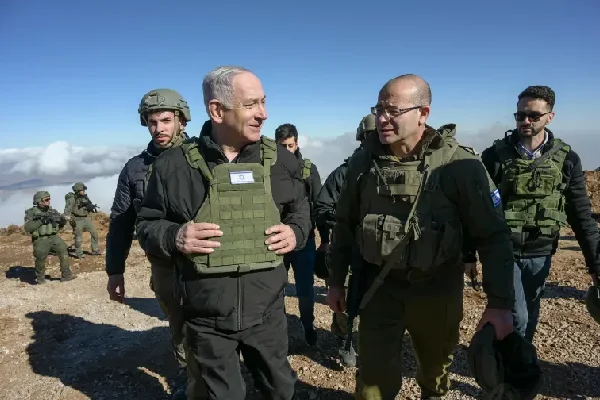
Consequences of Zionist Strategies in the Middle East
Implementing the Yinon plan and Clean Break document had profound but often counterproductive consequences in the Middle East. The 2006 war, intended to advance these strategies, actually strengthened Hezbollah’s domestic and regional position, as its survival challenged the Zionist narrative of Israeli military invincibility. U.S. alignment with these strategies was overly optimistic about military solutions, resulting in unintended consequences like increased Iranian influence in Iraq and Lebanon.
Intelligence failures similar to the Iraq experience repeated for Zionists and Americans—failures that undermined U.S. and Israeli efforts in Lebanon, as civilian casualties fueled anti-Western sentiments. Rashid Khalidi in “The Hundred Years’ War on Palestine,” alongside viewing these failures as part of a century-long Zionist colonial aggression pattern, considers them as strengthening regional resistance movements like Hezbollah.
Notably, the inability to fragment Lebanon or isolate Iran and Syria revealed the limitations of grand Zionist strategies, as the resistance axis, leveraging regional discontent, rebuilt and strengthened itself, standing against domineering actions.
The 2006 Israel-Lebanon War: Failure Despite Implementing All Strategies
The 33-day Lebanon war, starting July 12, 2006, with a Hezbollah border operation, was a key Israeli-U.S. effort to neutralize Hezbollah to weaken Iran’s regional influence.
The U.S. diplomatically supported Israel, including delaying ceasefire calls and rushing guided weapons shipments, aiming to weaken Hezbollah, whose arsenal, backed by Iran, had become a regional threat. Israel’s goals were destroying Hezbollah’s missiles, pushing its forces north of the Litani River, and restoring lost deterrence after the 2000 withdrawal from southern Lebanon.
Israel’s extensive airstrikes targeted both Hezbollah positions and Lebanese civilian infrastructure, killing over 1,200 Lebanese, mostly civilians, and displacing over 1 million. However, the war ended with UN Security Council Resolution 1701 on August 14, 2006, without Israel achieving its strategic goals, and Hezbollah retaining its military and political power.
Details of Hezbollah’s Military and Political Resistance
Hezbollah’s performance in the 2006 war dealt a serious blow to Zionist aspirations reliant on military dominance and regional territorial control. Israel severely underestimated Hezbollah’s capabilities, developed since the 1980s with Iranian training, funding, and military support.
Hezbollah, with 13,000 to 15,000 rockets and using guerrilla tactics, fortified bunkers, and anti-tank missiles, resisted Israeli air and ground assaults. Hezbollah’s rocket attacks on northern Israel displaced 70,000 Israelis, shattering Israel’s image of invincibility.
Despite initial Lebanese criticism of the war’s costs, Hezbollah’s rapid reconstruction of damaged areas, supported by Iran, strengthened its domestic legitimacy, portraying it as Lebanon’s defender against Israeli aggressions. This resilience showed that mere reliance on military power does not guarantee Zionist goals and became a symbol of humiliation for them.
عملکرد حزبالله در جنگ ۲۰۰۶ ضربهای جدی به آرمان صهیونیستی وارد کرد؛ آرمانی که متکی بر سلطه نظامی و کنترل ارضی در سطح منطقهای است. اسرائیل به شدت توانمندیهای حزبالله را دستکم گرفته بود؛ توانمندیهایی که از دهه ۱۹۸۰ با آموزش، تأمین مالی و تجهیز و حمایت نظامی ایران توسعه یافته بود.
حزبالله با در اختیار داشتن ۱۳ تا ۱۵ هزار راکت، و استفاده از تاکتیکهای چریکی، پناهگاههای مستحکم و موشکهای ضدزره، موفق شد در برابر یورش هوایی و زمینی اسرائیل مقاومت کند. حملات موشکی حزبالله که شمال اسرائیل را هدف قرار داد و ۷۰ هزار اسرائیلی را آواره ساخت، تصویر شکستناپذیری اسرائیل را در هم شکست.
با وجود انتقادات اولیه در لبنان از هزینههای جنگ، تلاش سریع حزبالله برای بازسازی مناطق آسیبدیده، که با حمایت ایران انجام شد، مشروعیت داخلی این گروه را تقویت کرد و آن را به عنوان مدافع لبنان در برابر تجاوزات اسرائیل معرفی نمود. این پایداری نشان داد که تکیه صرف بر قدرت نظامی، ضامن تحقق اهداف صهیونیسم نیست و به نمادی از تحقیر برای آنها تبدیل شد.

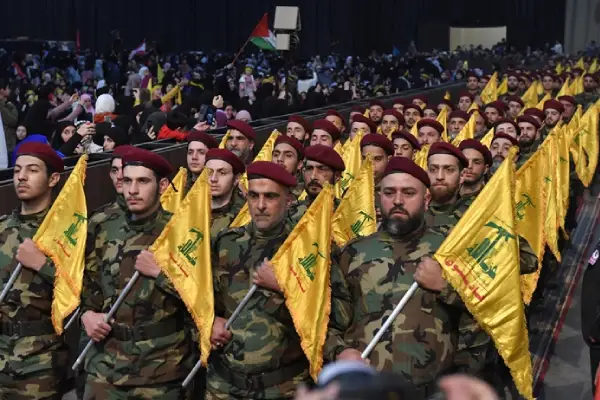
The Resistance Axis: A Cohesive Force Against U.S. and Israeli Plans
The resistance axis, comprising Iran, Syria, Hezbollah, Hamas, and other resistance groups, gradually became a coordinated network against U.S. and Israeli dominance. After these experiences, the resistance axis turned into a united collection with anti-Zionist and anti-imperialist ideologies, with Iran playing a guiding and supporting role.
During the 2006 war, Iran provided Hezbollah with advanced equipment like C-802 anti-ship missiles and Kornet anti-tank missiles, which sank an Israeli warship and destroyed several Merkava tanks. Syria also played a key role in logistical support by maintaining weapons supply routes and resisting Israeli airstrikes.
Transnational coordination in the resistance axis complicated U.S. and Israeli strategies, as attacking one member could ignite wars on multiple fronts, making the situation dire for the opponent. Hezbollah’s survival in the 2006 war strengthened the resistance axis narrative, showing that destabilizing plans face serious obstacles from an organized network supported by the region’s people.
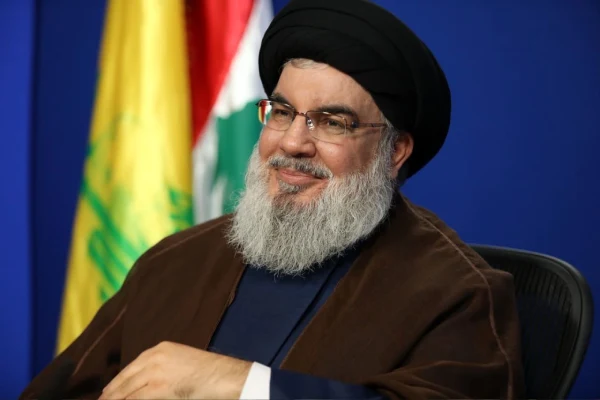
Sayyed Hassan Nasrallah, Hezbollah’s Charismatic Leader
Sayyed Hassan Nasrallah, Hezbollah’s Secretary-General from 1992 until his martyrdom in 2024, played a fundamental role in Hezbollah’s 2006 success and consolidating its regional influence. Jonathan Cook portrays martyr Sayyed Hassan Nasrallah as a charismatic orator whose speeches during the war sparked waves of support among Arab and Islamic nations, identifying Hezbollah as a barrier to Zionism.
According to prominent thinkers, his frank admission of underestimating Israel’s reaction added to his credibility, and his strategic decision to use guerrilla tactics preserved Hezbollah’s forces and paved the way for “divine victory.” After the war, Nasrallah collaborated with martyr General Soleimani to support Bashar al-Assad’s government in Syria and converge with Hamas after 2023. His martyrdom in an Israeli airstrike in September 2024 was a heavy blow to the resistance axis, but according to various experts, Hezbollah’s ideological legacy and organizational structure ensure the continuation of his path.
Geopolitical Consequences of the War
The 2006 war and the resistance axis’s steadfastness revealed the limitations of U.S. and Israeli strategies for destabilizing Iran, Lebanon, and Syria. In fact, the U.S. was overly reliant on its military forces’ efficiency, expecting the quick victories it seemingly achieved in Iraq to repeat in Lebanon.
Just as overreliance on sanctions and misinformation failed in Iraq, the pattern repeated in Lebanon, with civilian casualties intensifying public hatred of the West. Moreover, after the war, Hezbollah, with Iranian financial support, rebuilt southern Lebanon and increased its political influence. Meanwhile, Syria and Iran continued strengthening the resistance axis, thwarting U.S. hopes for its collapse. The failure to achieve goals in the 2006 war was a sign of challenges repeated in subsequent conflicts, like the 2023–2024 war with Hamas, where the resistance axis, with its adaptability, remained a serious obstacle to Zionist and Western plans.
Challenges Facing Zionism
The 2006 war revealed serious challenges facing Zionism, which seeks regional dominance through military superiority and territorial control. In truth, Hezbollah’s survival shattered Israel’s deterrence power and exposed Zionist aspirations’ fragility against determined resistance. High civilian casualties and Israel’s inability to destroy Hezbollah’s infrastructure also led to internal criticisms, with the Winograd Commission later criticizing Israel’s political and military leadership for miscalculations.
The resistance axis, relying on Iranian support and Syrian logistical backing, showed that Israel’s strategy could be challenged with asymmetric warfare and regional alliances. This trend, according to various sources, continued in subsequent conflicts; now, Hezbollah with its precision missile capabilities remains a constant threat to Israel’s security doctrine.
US Army Commander Wesley Clark’s revelation of the “Seven Countries in Five Years” plan
Resources
.
.




No comment