 Arabic
 Persian
 English


Collapse of the Soviet Union and the U.S.’s Aggressive Approach Toward the Middle East
Following the collapse of the Soviet Union in the early 1990s, the geopolitical landscape of the Middle East underwent significant changes. With the Soviet Union’s dissolution, the United States and Israel found an opportunity to adopt a more aggressive stance in their military interventions in the region. This section examines the evolution of these strategies, particularly focusing on their implications for U.S.-Israel relations and military actions in the Middle East.
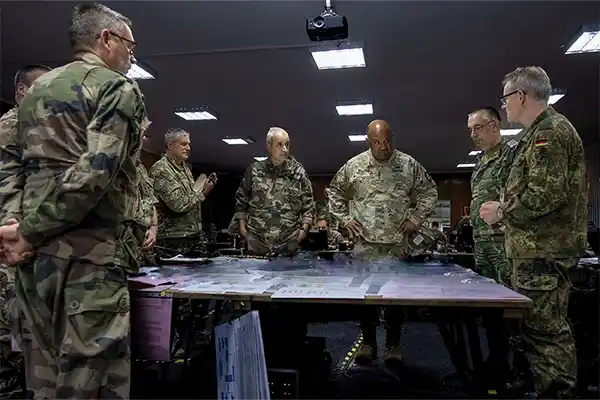
1. Post-Soviet Political Landscape and New Military Strategies
The end of the Cold War marked a significant turning point in international relations, particularly for the United States and Israel. Without the potential threat of Soviet opposition, both countries gained the confidence to act based on their interests without fear of confrontation from a superpower that had previously supported various regional actors. This shift allowed for a reorientation of foreign policy that favored direct military intervention over diplomatic solutions.
As noted in General Wesley Clark’s book Waging Modern War, the U.S. military’s understanding of its strategic environment in this new context changed dramatically. The Clinton administration initially supported multilateral diplomatic efforts, but the prevailing belief in military superiority encouraged a shift toward interventionism. By the late 1990s, aggressive policies, particularly toward Iraq, became common among American policymakers.
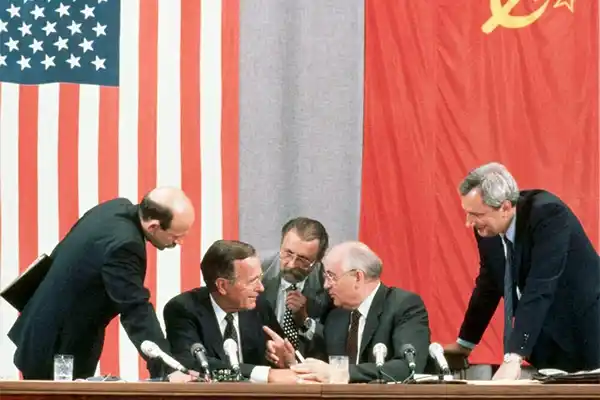
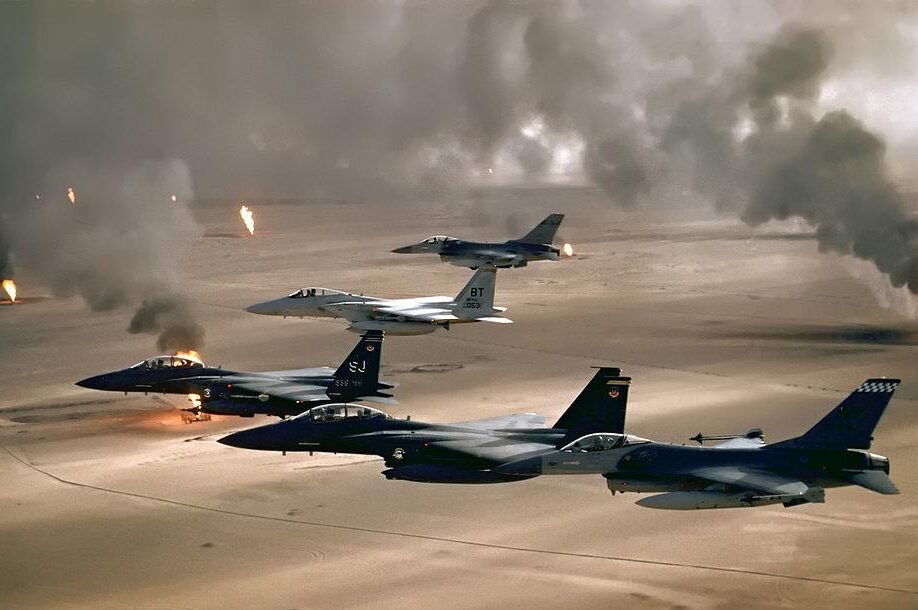
2. Strengthening Belief in the Effectiveness of the New Strategy Post-Operation Desert Storm
The successful execution of Operation Desert Storm in 1991 bolstered confidence in this new strategy. Coalition forces, primarily led by the United States, swiftly defeated Iraqi forces and liberated Kuwait in a decisive military campaign. This victory not only demonstrated the effectiveness of U.S. military strategy but also showcased the potential of U.S. military power to decisively shape conflict outcomes in the Middle East.
Moreover, this operational success reinforced the perception among U.S. policymakers that military intervention could achieve desired political outcomes quickly and with relatively low casualties, encouraging the U.S. to design future military conflicts. For instance, Paul Wolfowitz, Deputy Secretary of Defense under the Bush administration, told General Wesley Clark after the Desert Storm victory: “We learned that we can intervene militarily in the region without repercussions, and the Soviets won’t do anything to stop us.”
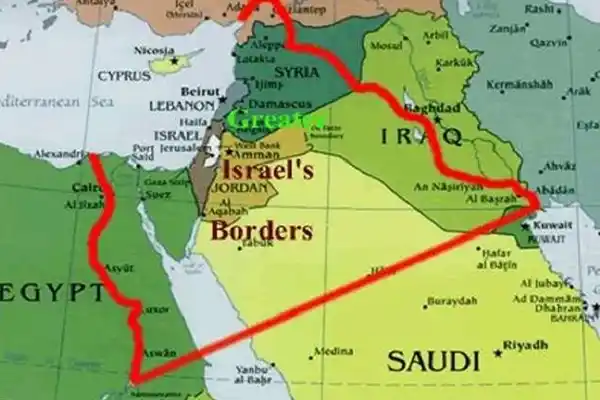
3. Impact of the Yinon Plan
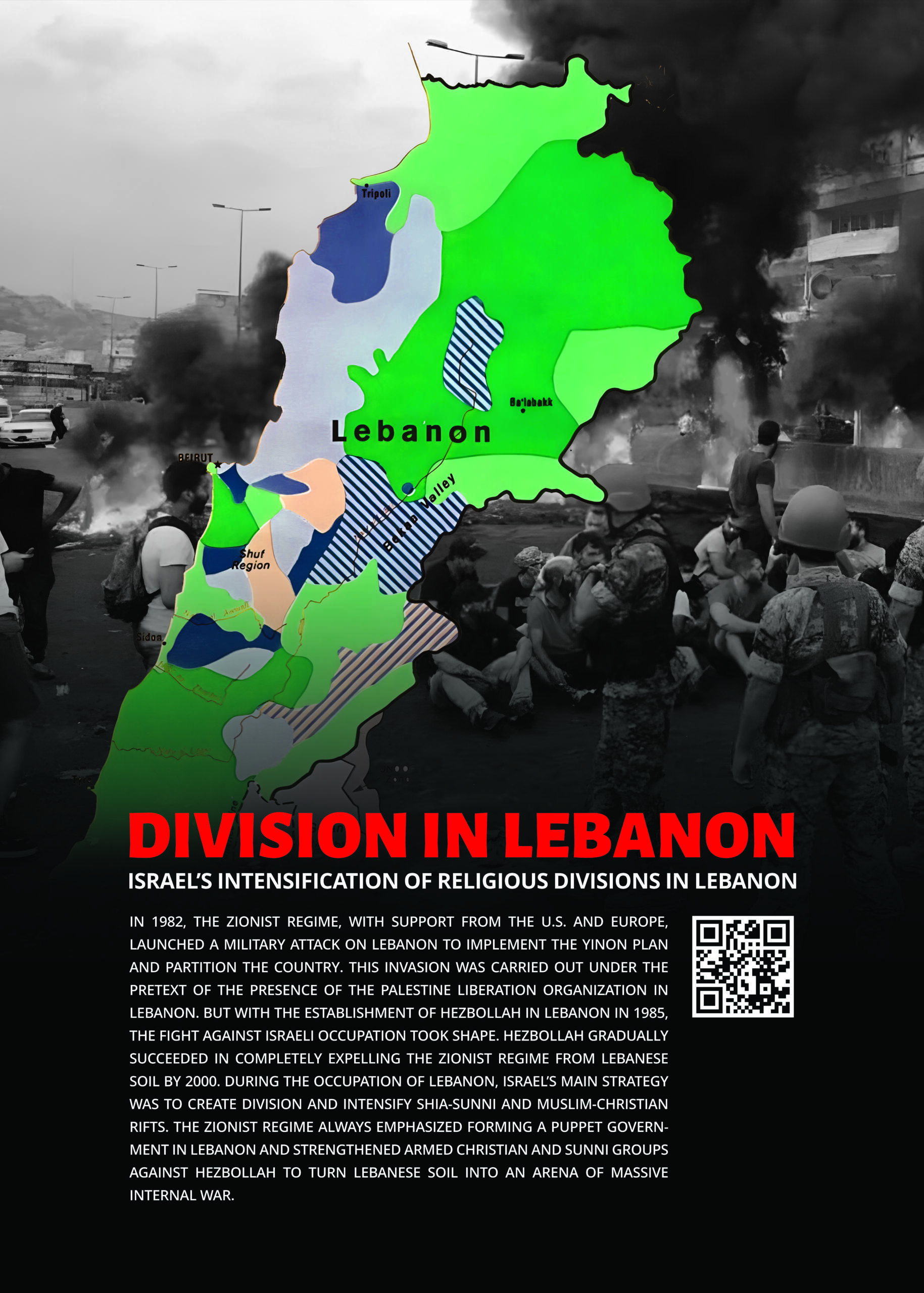
As the United States became more involved in Middle Eastern politics, the influence of the “Yinon Plan,” named after Israeli strategist Oded Yinon, gained attention. The plan envisioned the fragmentation of larger Arab states into smaller, more manageable entities along ethnic and sectarian lines, with the goal of ensuring Israel’s regional dominance and minimizing threats from neighboring countries.
During this period, U.S. and Israeli interests increasingly overlapped, particularly when it came to weakening regimes considered enemies of both countries. The United States saw an opportunity to align its military efforts with the destructive vision outlined by Yinon. As Jonathan Cook notes in Israel and the Clash of Civilizations, such strategies were deemed vital for Israel’s survival amid a changing global order.
4. Implications and Legacy
The connection between U.S. military intervention and Israeli strategic thinking has had long-term implications for Middle Eastern geopolitics. The Iraq invasions destabilized the region, leading to the rise of extremist groups and prolonged conflicts. The consequences of these military interventions also fueled anti-American sentiment, profoundly impacting U.S.-Middle East relations and paving the way for complex scenarios that persist today. In conclusion, the post-Soviet era brought about a significant shift in U.S. and Israeli military strategies, driven by a shared vision of regional dominance and the implementation of the Yinon Plan. The aggressive interventionism that began with Operation Desert Storm set the stage for a series of conflicts with profound consequences for the Middle East’s geopolitical landscape.
The decline of the Dutch Empire



No comment